caption
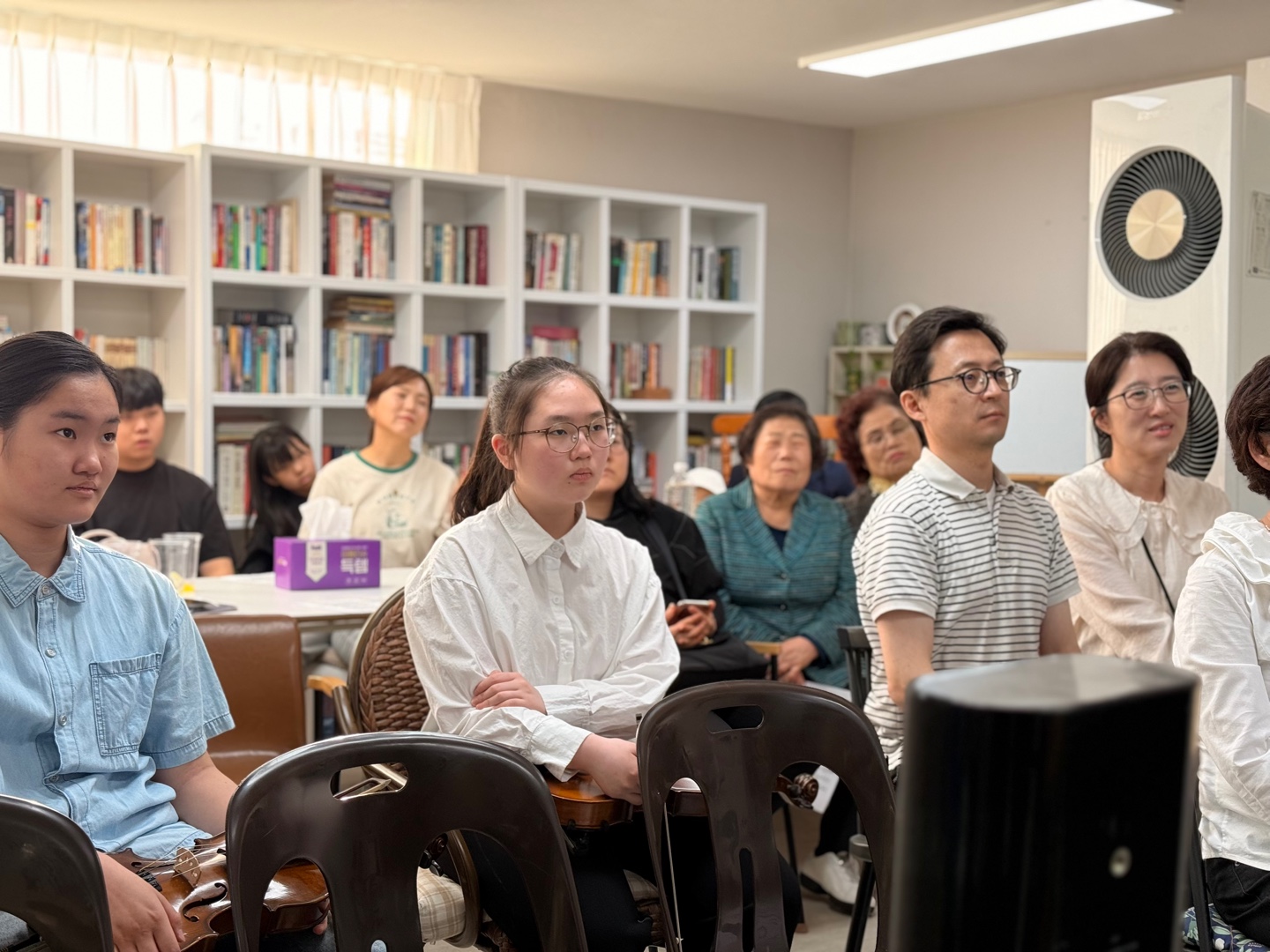
Event
A safe house and friendship-based ministry in South Korea serving North Korean defectors, refugees, and vulnerable foreign residents.
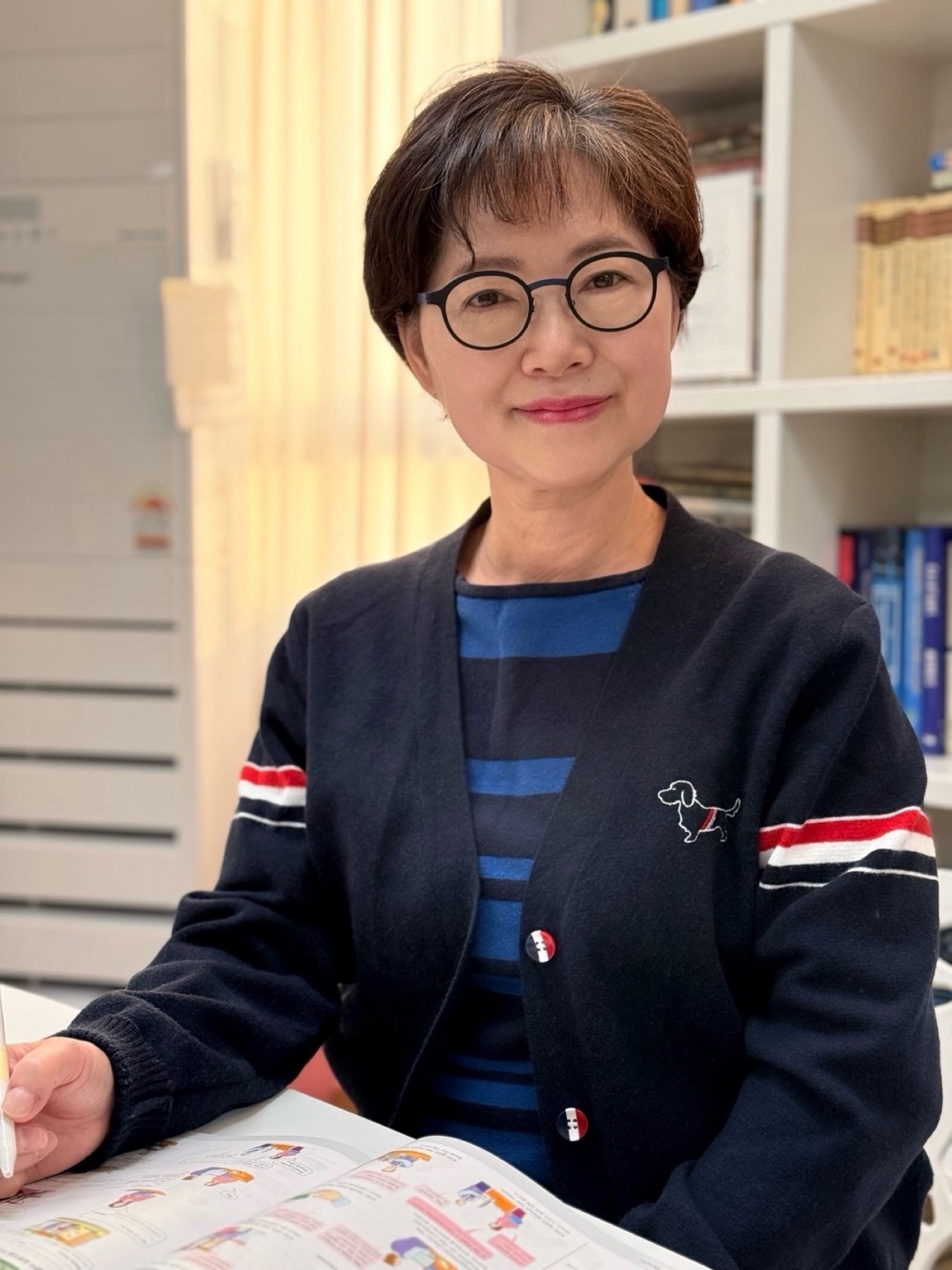
Hannah Kim: “Amigo” means friend. I never wanted this work to feel like an institution. We have tea together, bake cakes, watch films, and arrange flowers. Whether someone is from Syria, Myanmar, Ukraine, or North Korea, the message is the same: “I am your friend. You can trust me.” Jesus approached the marginalized as a friend. That is the example I want to follow.
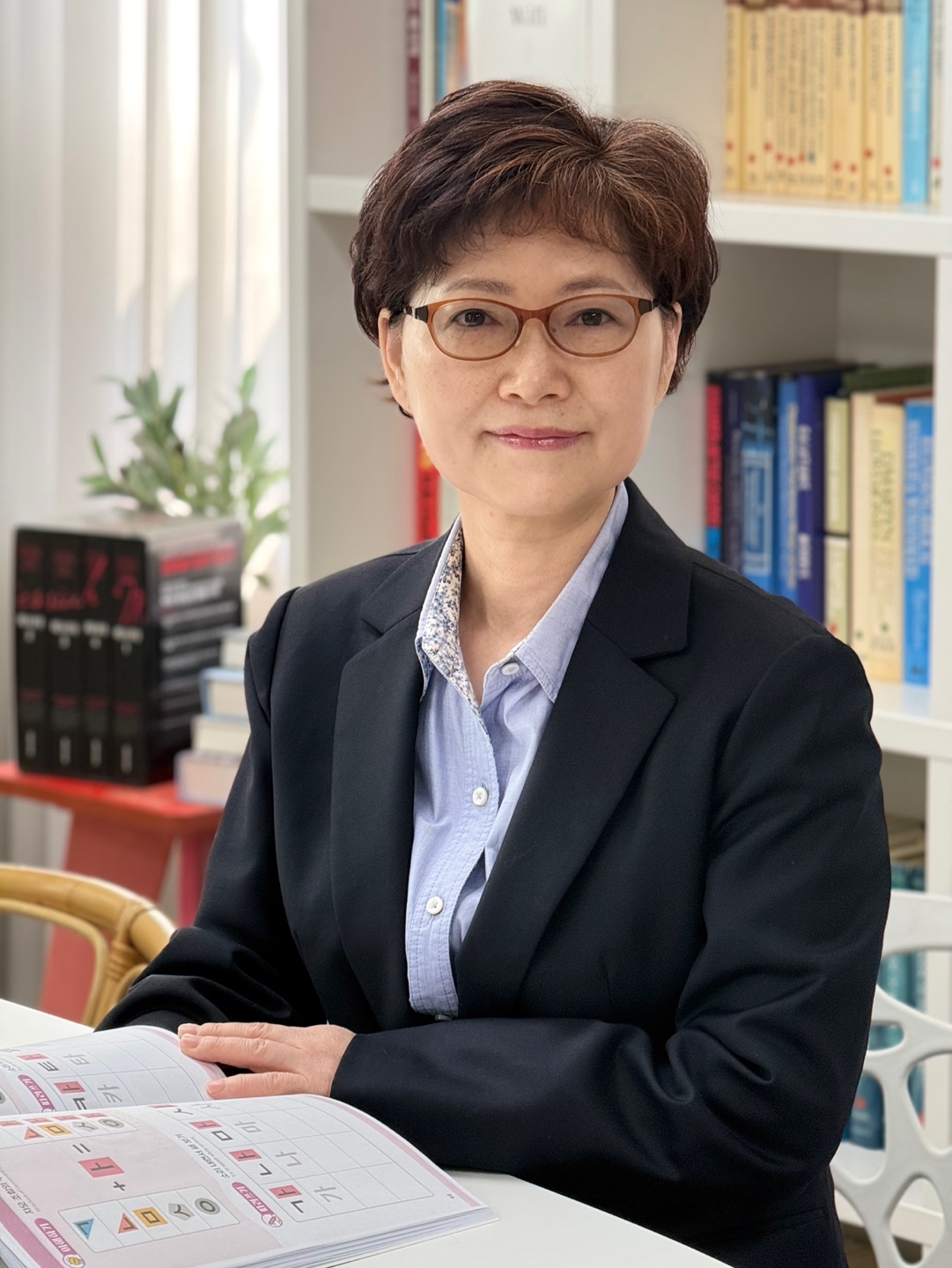
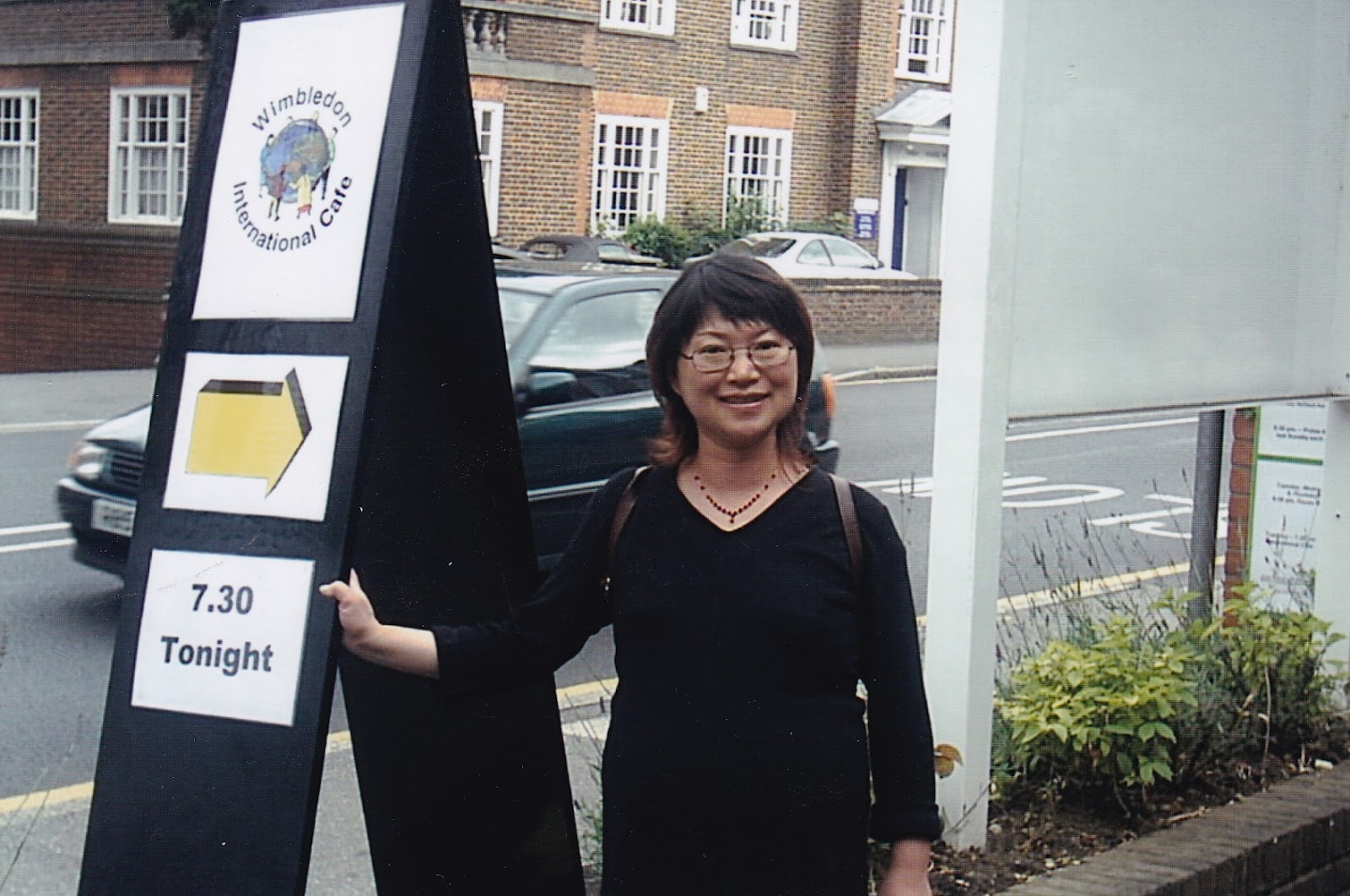
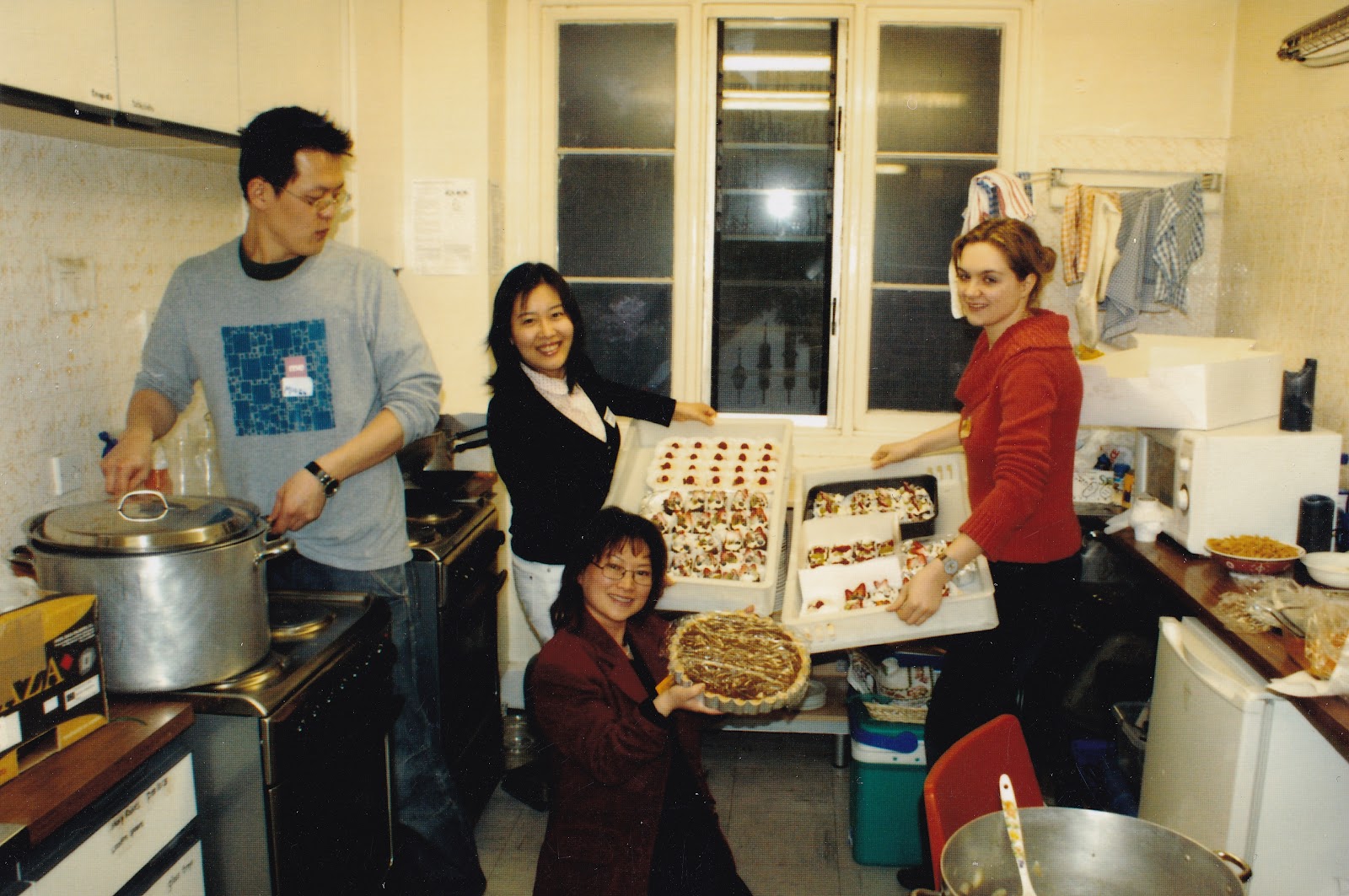
Hannah Kim: My husband, Joseph, and I lived in South London for nine years. He became the director of an international ministry connected to Dundonald Church. We were surrounded by international students and foreign workers from many countries, including China, Taiwan, Poland, Mexico, Pakistan, Turkey, Japan, and Korea. Many were struggling. They did not speak English well, could not find work, and felt alone. What affected me most was the example of local British people. About thirty volunteers served with us, many of them professionals who had studied at Oxford or Cambridge and later moved to London. They gave their time freely to help foreigners they did not know. Their love was not abstract. It was active and costly. It was the love of God made practical. Watching them changed me. I knew I wanted to spend my life sharing God's love and the gospel with others.
Hannah Kim: It was hard work, but it was also a kind of exchange. Everyone had needs, and everyone could help someone else. I cooked large meals for our international cafe, sometimes for fifty or even a hundred people. My son Joshua was a baby at the time. I used to carry him around the cafe in a little basket. One Polish woman in her forties came to me in deep distress because she could not pay her rent. I told her, “Come live with us for free. You can help look after Joshua while I work.” That is how we tried to respond. We looked for practical ways to help. Mexican students were often terribly homesick, so I studied recipes and cooked food that reminded them of home. Chinese students needed local references in order to find work in the UK, so I helped them, invited them to our home for Bible study, and gave them opportunities to build real relationships with British people who could later support them.
Hannah Kim: When we returned to Korea, Joshua was just over one hundred days old. My husband was serving with a North Korean mission organization, and I stayed at home. During that time, I kept asking myself, When was I happiest? As I thought carefully about that question, I realized that I had been happiest when I was serving people in the UK. Cooking, welcoming people, listening, counseling, helping others, sharing the gospel, and watching people gradually come to trust God and change brought a kind of joy that this world cannot give. I knew that was my calling. When I looked around Korean society, I saw a rapidly growing multicultural population, and I saw North Korean defectors and foreign residents living in places most people did not notice. I began to feel clearly that God's calling to welcome people in crisis and share the gospel was continuing in Korea as well.
Hannah Kim: It began in our apartment in Cheongna, Incheon. I invited in women who were having a hard time, including North Korean defectors and refugees in difficult situations, as well as the wives of foreign pilots and Middle Eastern used-car dealers. Many of them were struggling with ordinary things that become overwhelming in a foreign country, such as shopping, hospital visits, or setting up internet service. Later, a friend offered me part of her bakery factory without rent. It was about fifteen pyeong, and I used it as a base for Amigo’s ministry for six years. Since then, we have moved to Lupin House (Amigo) in Seoul, South Korea. We also operate the Pohang Forest Small House (Amigo Safe House), where North Korean defectors and refugees in difficult situations can come to rest and recover.
Hannah Kim: There are many. Some people arrived at my door carrying all their belongings because they had just been evicted and had nowhere to sleep. I once took in an African kindergarten teacher who became pregnant and was abandoned by her Korean boyfriend. I also helped a Filipino woman who was going through menopause and suffering from severe depression. Because of the language barrier, she misunderstood local shop workers and thought they were mocking her. The situation turned into a serious conflict. I stepped in, helped mediate, and connected her with counseling. These are the kinds of situations that often go unseen. A person may look as though they only need translation or practical help, but underneath there is often loneliness, fear, shame, or deep emotional pain.
Hannah Kim: They risk their lives to gain freedom, but the pain does not end when they arrive. The trauma and loneliness can be very deep. When I lived in the UK, I missed Korea terribly, but I could always buy a plane ticket home. North Korean defectors cannot do that. They leave behind parents, siblings, and the whole world they knew. Even when they become financially stable, there is often a deep emptiness that remains. I counseled one North Korean woman whose family had been relatively comfortable back home. After she was caught trying to escape, her father spent everything he had to save her. Afterward, she escaped again, came to South Korea, and married a successful man. From the outside, her life looked secure. But inside she was frightened and hollow. Her husband used a Busan accent to hide his own North Korean background. She was terrified that her own accent would come out at social gatherings and expose her. That fear shaped her whole life. When I meet people like her, I listen, I cry with them, and I try to fill that emptiness with friendship. I also meet with them in small groups and one on one, share the gospel, and when their faith begins to grow, connect them with local churches so they can continue well in their Christian life.
Hannah Kim: In Korea, we eat seaweed soup on our birthdays. For many defectors, their birthday is the day they miss their mother most. So I invite them to my home, cook seaweed soup for them, and pray for them. I tell them, “My cooking will never taste like your mother’s soup in North Korea. But I made this for you with all my heart.” That matters to them. Sometimes a small act carries the weight of home.
Hannah Kim: The greatest reward is seeing a hardened heart become soft again. When someone recovers in our house, packs their bags, and says, “Hannah, I want to live like you. I want to spend my life helping others,” there is nothing better. As for the future, my son Joshua, who grew up within the ministry my husband and I carried out in the UK, is now older and teaches English to North Korean defectors and refugees here in Korea. I hope he will carry the spirit of Amigo beyond Korea, even to the United States and other parts of the world. My hope is simple. Wherever displaced people go, I want them to be able to find a friend.
Hannah Kim: Yes, I have a son and a daughter. My son Joshua has also grown up as part of this ministry from a very young age. As I served North Korean defectors and refugees, and shared the gospel with them, I came to feel more and more deeply how important music is in comforting people and serving them with love. Some people carry such deep wounds in their hearts that they cannot easily express their pain in words. Others find it difficult even to have long conversations because of language barriers. But music could reach beyond all of those walls and touch the human heart. Even places that words could not reach, music would quietly enter and bring comfort. That is why I came to hope that Joshua, from an early age, would be able to serve people through music.
When Joshua was around ten years old, I had him begin learning the violin. It was not simply because I wanted him to become good at playing an instrument. I wanted Joshua not only to learn music as a skill, but to become someone who could use the talent God had given him to bring joy and comfort to others. Our home was always open to North Korean defectors, refugees, and people carrying many different stories. Some were living in loneliness in a strange land, and others carried wounds and fear in their hearts. As I served them closely, I saw again and again how much a warm meal, a sincere conversation, and a small piece of music could open a person's heart. So I hoped that Joshua's music would also be used in those kinds of moments.
At first, Joshua was still just a young child, so he was often very nervous. Playing in front of people could not have been easy for him. But over time, he naturally began to learn that his music could become a source of joy, comfort, and a gentle way of opening someone's heart. I was very thankful for that. Joshua did not remain simply a child learning the violin. Through music, he learned how to stay close to people. Little by little, he learned how to notice the pain of others with sensitivity and how to be with them in a way deeper than words.
The violin teacher who taught Joshua was also a very special and unforgettable person to me. We met the teacher while praying. At the time, the teacher had already been diagnosed with cancer. Even so, instead of stopping in the middle of that suffering, the teacher regarded it as a calling from God and continued to teach Joshua, my daughter Esther, and other students to the very end, while also directing the Pueblo Youth Orchestra. Through this teacher, I was able to see up close how a person can hold on to the gift God has given them and live it out faithfully until the very end.
The teacher taught Joshua for about ten years. During that time, I constantly prayed to God that He would sustain the teacher's life until Joshua had learned everything he needed to learn. And truly, the teacher remained in that place until Joshua became an adult. Sadly, on the very morning of the Pueblo Youth Orchestra regular concert not long ago, the teacher went to be with the Lord. As I watched the teacher's journey to the very end, I came to feel deeply how wonderfully God sustains a person's life and calling. What Joshua and Esther learned through the violin was a very special gift from God.
The teacher especially made extra time to teach Joshua, because the teacher wanted to train him so that he could help refugees, North Korean defectors, and struggling foreigners through music in the Amigo ministry. The teacher showed through life itself that music is not simply a skill to be performed well, but a tool that can comfort people, serve them, and bring glory to God. Although the teacher suffered greatly through cancer treatment, I saw how music could make even that suffering fade for a time. Whenever there was an Amigo concert, the teacher treasured that place for North Korean defectors and refugees and gladly helped. Even when the teacher became so weak as to collapse many times, the teacher would rise again, come in person to help prepare for the Amigo concerts, and care for the students to the very end. The teacher also bore witness, through life itself, to how one can offer God-given talent faithfully to the end. Watching that life up close moved me very deeply, and I believe it was a great blessing that Joshua and Esther grew up seeing such an example. For Joshua, those years were not simply a time of learning music from a good teacher. They were also a time of learning what music is for, and how deeply one person's devotion can remain in the lives of others.
So to me, Joshua is not only my son, but also a co-worker whom God has raised up within this ministry. From childhood, Joshua grew up naturally seeing the North Korean defectors and refugees who came in and out of our home, and he learned to see them not as strangers, but as neighbors to be loved. Music became one way for him to express that love. And over time, it became not just a childhood activity, but part of a life that serves, connects, and comforts people.
Now Joshua serves as an International Director. I do not believe that this happened in a single moment. I believe it is the fruit of how God has shaped him through music from early childhood, trained his heart toward people, and allowed him to grow naturally within the ministry of our family. So when I look at Joshua, I do not simply see someone who plays the violin well. I see someone whom God has prepared step by step since he was young. I am deeply thankful that he has grown into a person who can share joy through music, bring comfort, and draw near to people's hearts.
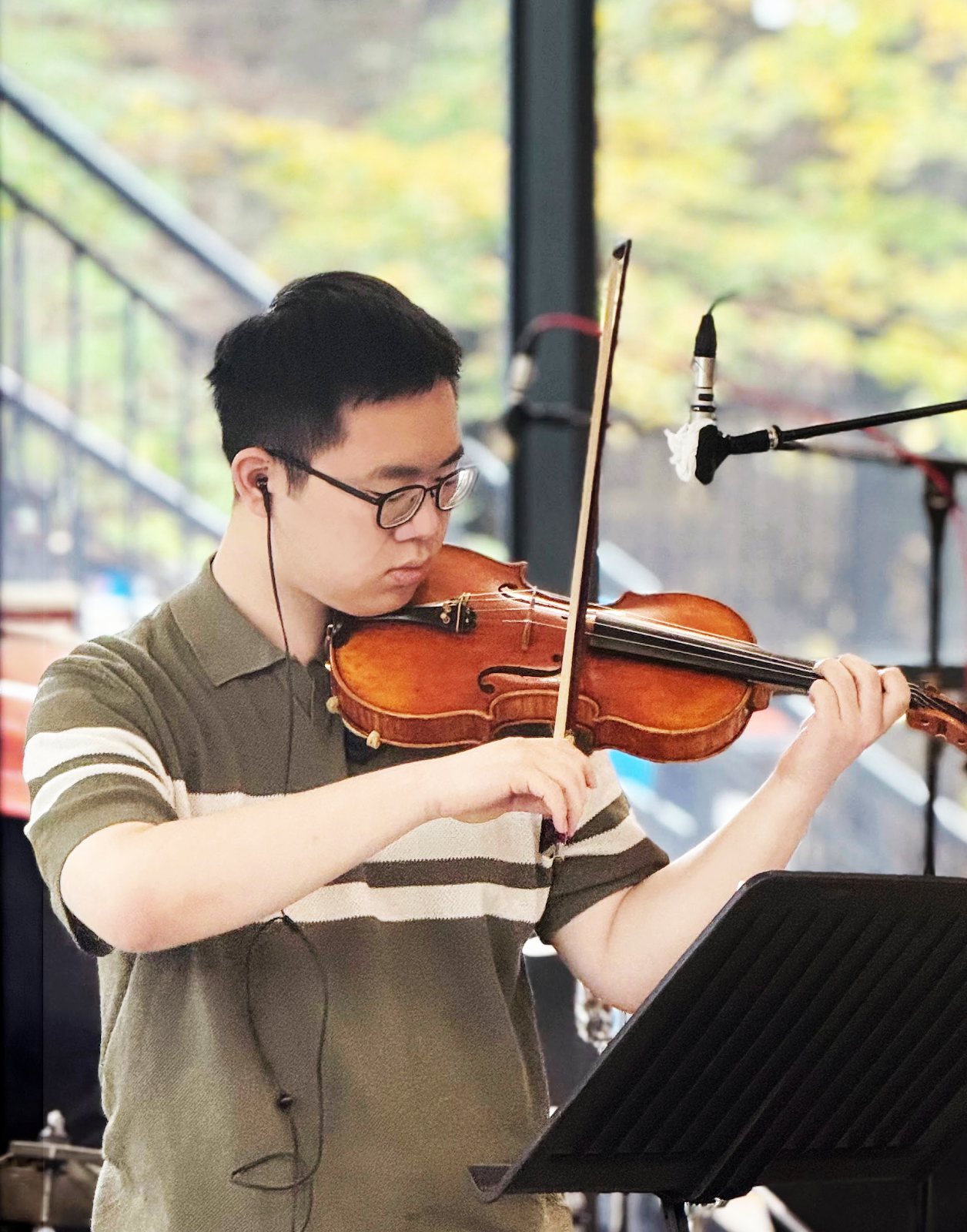
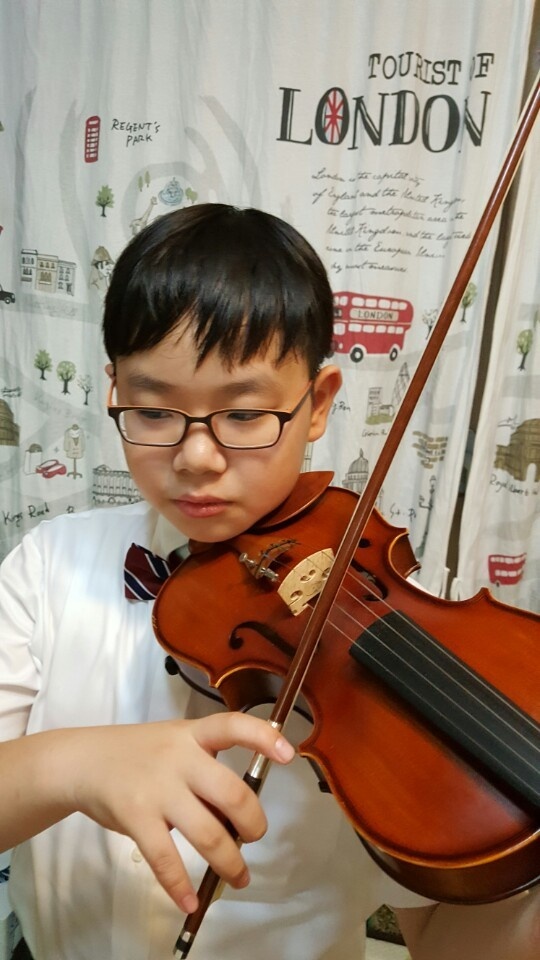
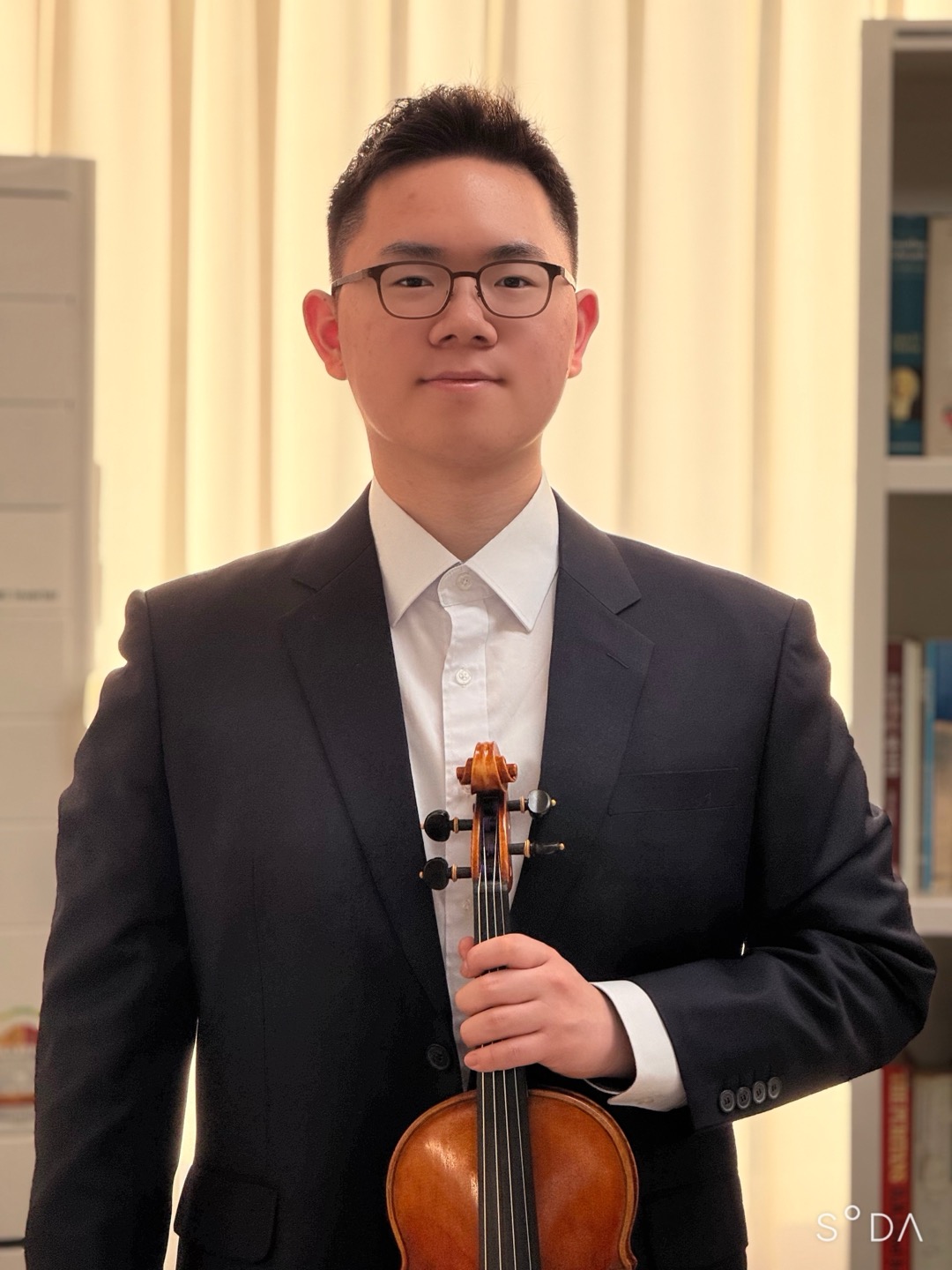
My mother has run a safe house for North Korean defectors and refugees from Syria and Afghanistan since I was little. On Christmas Eve when I was ten, our living room filled with guests I didn't know. She set a music stand in front of me and whispered, "Silent Night."
My bow hand shook so hard the first note nearly split. I stared at the sheet music, scared to meet anyone's eyes. When I finished, the room held its breath, and then applause rose. A man in the front row smiled, gave me a thumbs up, and mouthed, "Good job." My face burned. I smiled back anyway.
Until then, I had kept our guests outside my real life. They were my mother's work, not mine. Their warmth disturbed the distance I'd rehearsed. That night, though, my violin stopped feeling like homework. It became a bridge. Shoulders loosened. Conversations softened.
I later realized why it worked: my mother had built the space long before I played a note. She cooked, drove people to appointments, and stayed up late to untangle paperwork and fear. Her choice to make room didn't just support others; it shaped me.
This shifted how I approached music. I learned to watch faces instead of chasing perfection, and to let silence be part of the song.
Eventually, I began teaching music to refugees. At first, I set up chairs and translated simple instructions. Soon, I was leading warm-ups, adjusting a child's grip, and celebrating tiny improvements only beginners notice. Teaching trained my patience and reminded me that dignity comes from being trusted with something hard, even something as small as a scale.
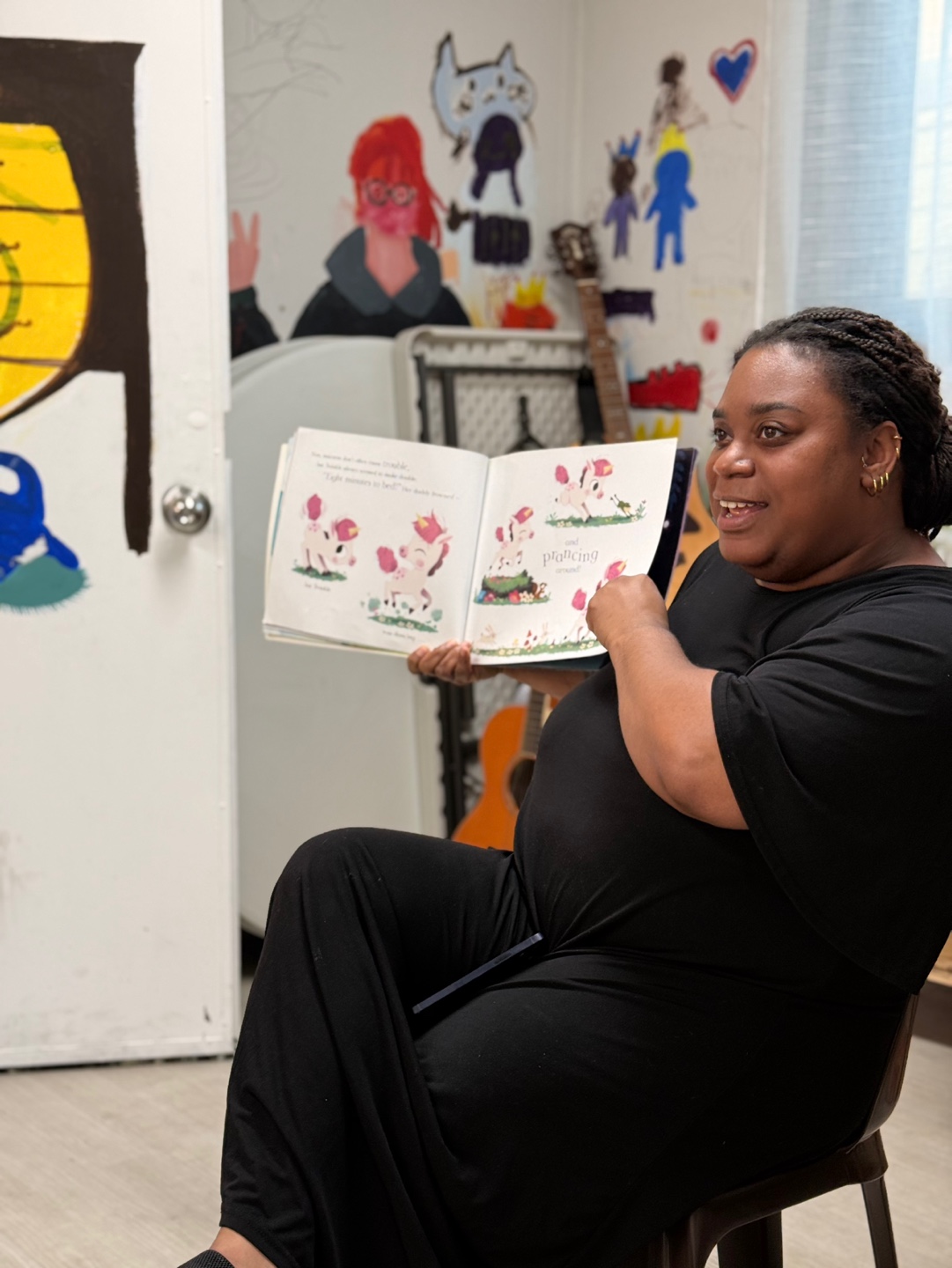
Browse photos and stories from Hannah's years of ministry in the UK through International Cafe, retreats, classes, and everyday moments, alongside the continuing story of Amigo ministry in South Korea.
Explore the larger story through photo sets, gatherings, retreats, classes, and everyday moments across the years.
This video adds a face and a voice to the people Amigo walks alongside, showing the dignity, hardship, and hope carried within refugee journeys.
Watch on YouTubeWhether you give financially, volunteer your time, pray for the work, or simply tell someone about Amigo, every act of faithfulness matters. You do not have to do everything. You just have to begin.
Your financial gift funds the presence that makes everything else possible. No gift is too small when it is given with intention.
Amigo always needs people who are willing to show up, use their skills, and stay for more than a day.
Email Hannah's Safe House, Amigo at hannahroom@naver.com to ask about support, volunteering, or partnership.
Explore photos and stories from Hannah's years of ministry in the UK through International Cafe, retreats, classes, and everyday moments, as well as the continuing Amigo ministry in South Korea.
Hannah is a missionary whose journey of love and care began in Wimbledon, United Kingdom, and continued in South Korea in 2006. For more than 20 years, she has walked alongside North Korean defectors, refugees, and multicultural families, offering meals, counseling, language support, and musical events for healing.
Her story is not only about service, but about staying, listening, and building belonging one relationship at a time.
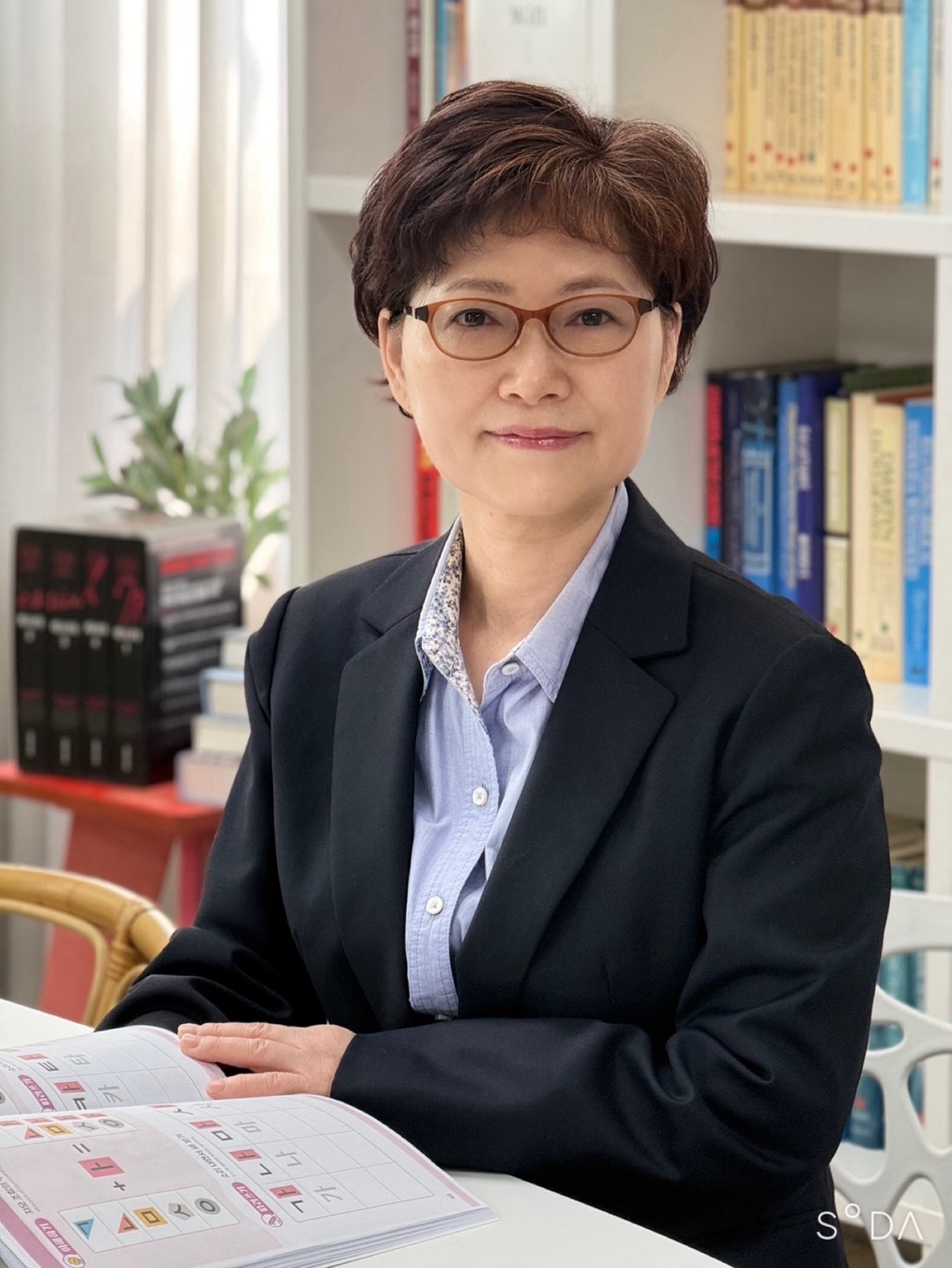
Hannah grew up shaped by a faith that was lived before it was spoken. From an early age she was drawn toward people on the edges the neighbor who needed help, the person navigating an unfamiliar place, the question no one else was asking out loud.
She learned early that love was not primarily a feeling but a direction something you pointed your life toward, repeatedly and imperfectly, even when it was inconvenient. That conviction would shape everything that followed.
"Genuine friendship can restore dignity and open pathways to new life."
Hannah's journey of hospitality and accompaniment first took visible form in the United Kingdom. While living there, she encountered North Korean defectors, refugees, and immigrants facing isolation, language barriers, and unfamiliar systems.
She responded not with programs but with presence sharing meals, offering practical help, and simply being there. She began walking alongside people navigating displacement and uncertainty. What started as personal friendship gradually became a recognized way of life.
As Hannah's calling led her to South Korea, the same values took deeper root. Opening her life and home to North Korean defectors, refugees, and marginalized families, what began as small acts of hospitality gradually grew into a community grounded in trust and long-term relationships.
"Walking with families through language challenges, daily life, and complex systems became the foundation of Amigo."
Guided by biblical values of love, justice, and service, Hannah began responding to both practical and relational needs education, advocacy, community not as separate programs but as expressions of the same friendship she had always offered.
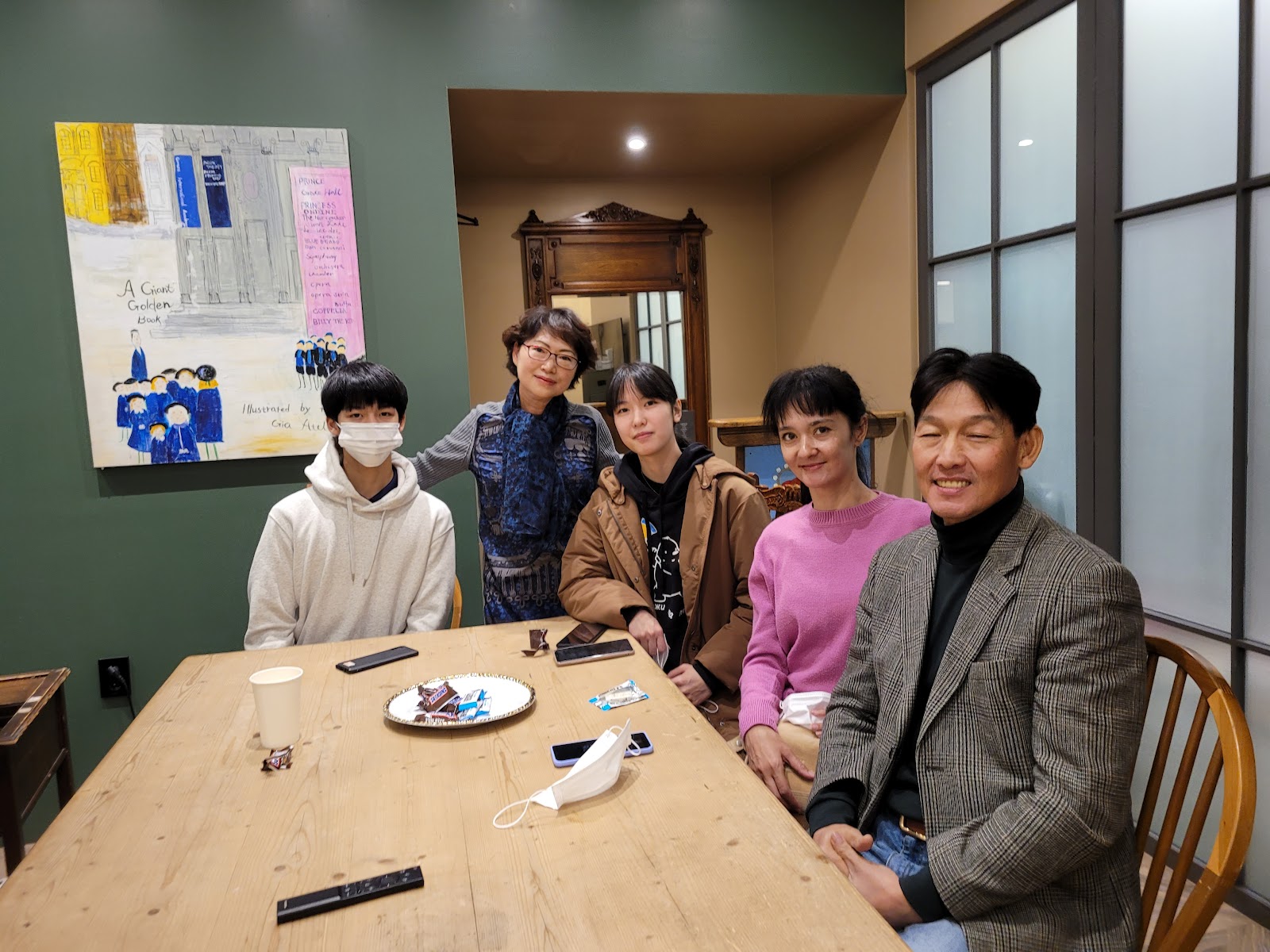
Today Hannah leads Amigo from South Korea. She continues to work directly with North Korean defectors, refugees, and marginalized families staying close to the people and relationships at the heart of everything Amigo does.
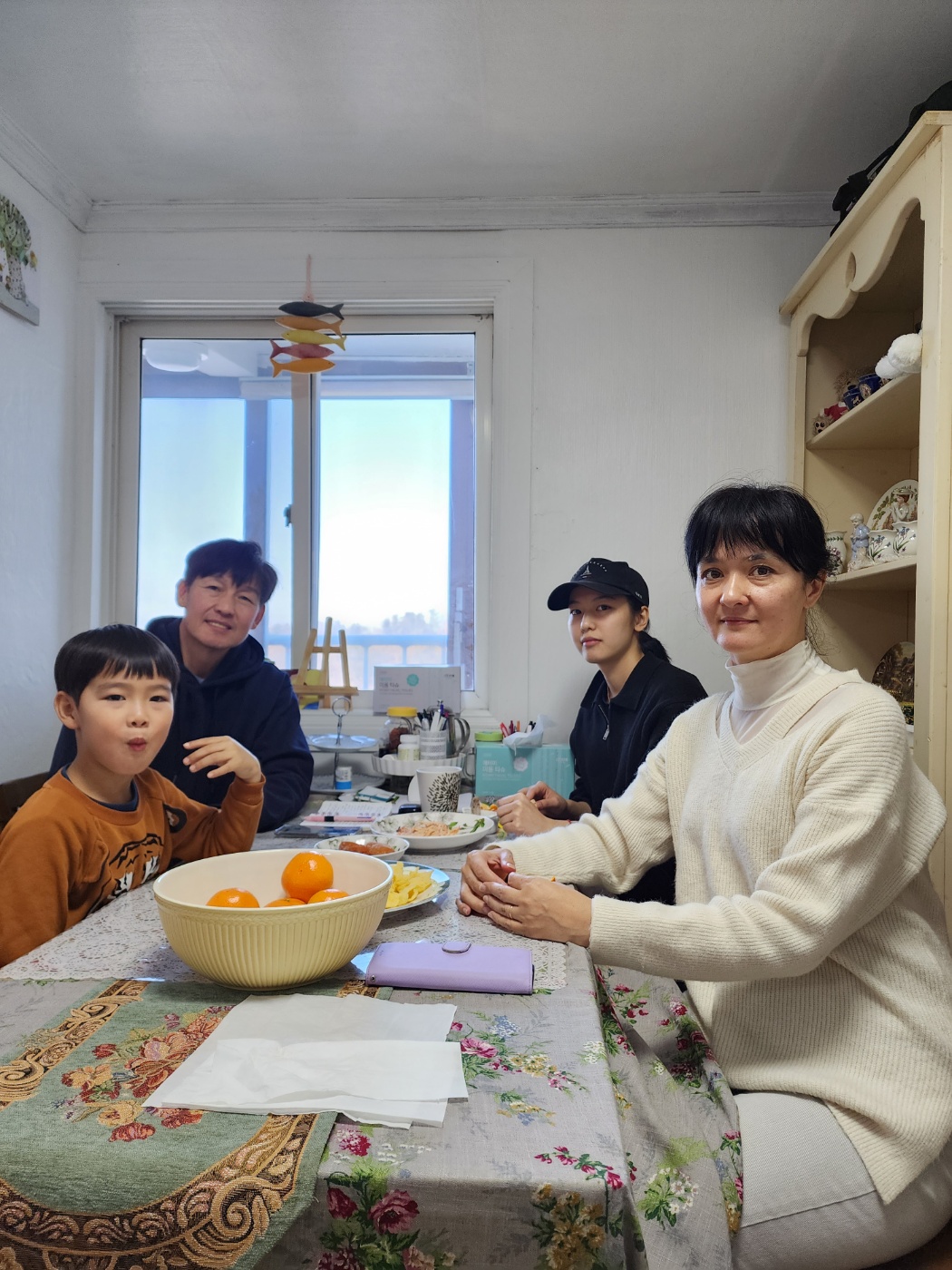
Today, Amigo continues to grow as a faith-rooted community that sees North Korean defectors and refugees not as recipients of aid, but as neighbors and friends. The kitchen table is still at the center of it all.
"Together, we seek restoration, resilience, and a more compassionate society where everyone has a place to call home."
Click through the major eras that shaped her mission and life's work.
Hannah's journey is a living one. If it has moved you, there are ways to walk alongside it with your prayers, your presence, or your generosity.
"What I want most is for my children to study well and keep learning. I want them to go to class, to continue their education, and to have the chance to learn things like math and English. But for us, giving our children those opportunities is very difficult, and that is one of the heaviest burdens I carry as a mother."
Nuria, a refugee mother from Afghanistan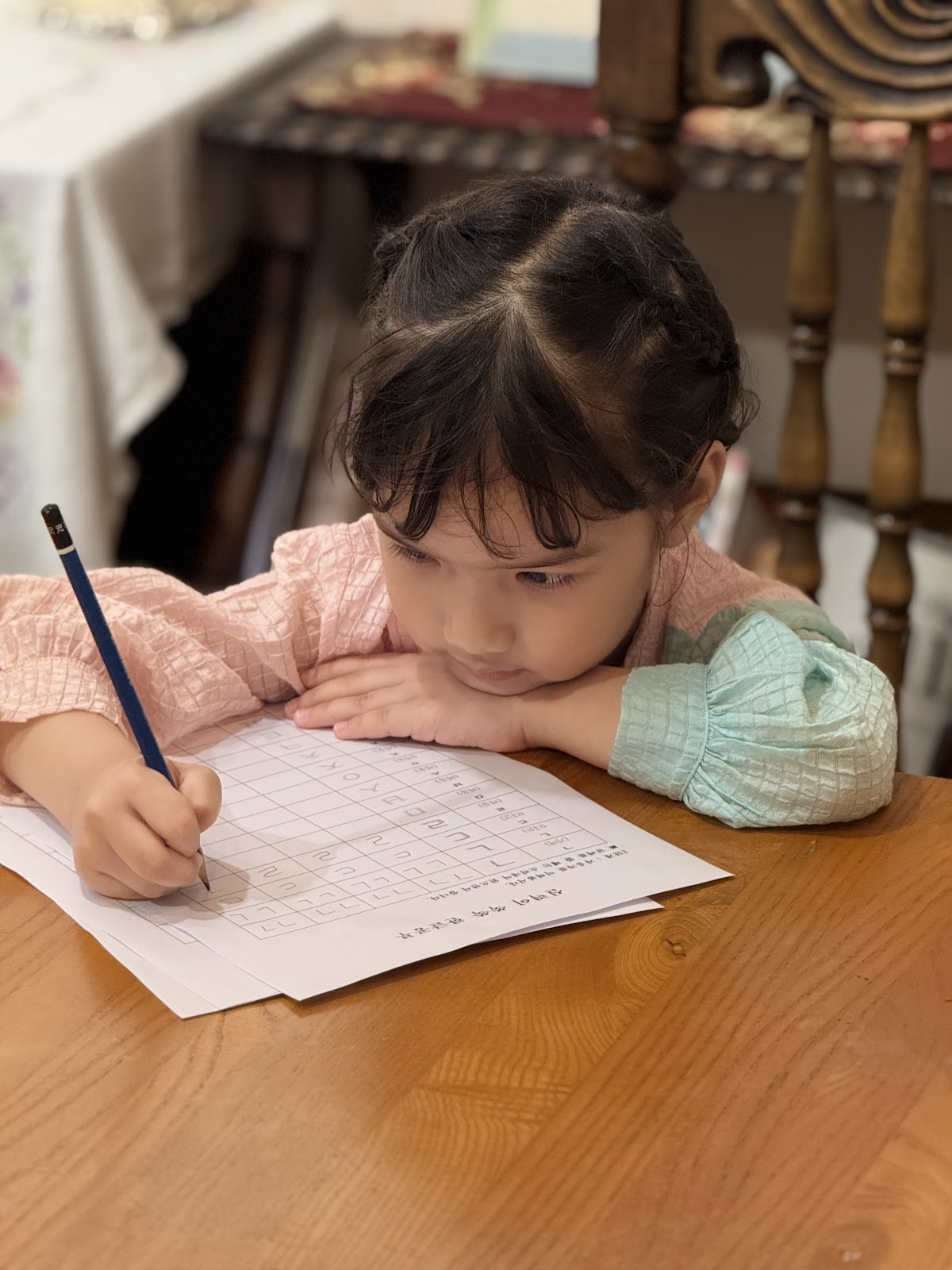
Many refugees experience interrupted education and significant language barriers that affect both daily life and long-term opportunities. Limited proficiency in Korean can make communication, employment, and participation in society difficult for adults.
Children often struggle to keep up in school without sufficient language and learning support. At the same time, access to quality education including creative learning opportunities such as music is often limited for refugee children, affecting confidence, emotional well-being, and healthy development.
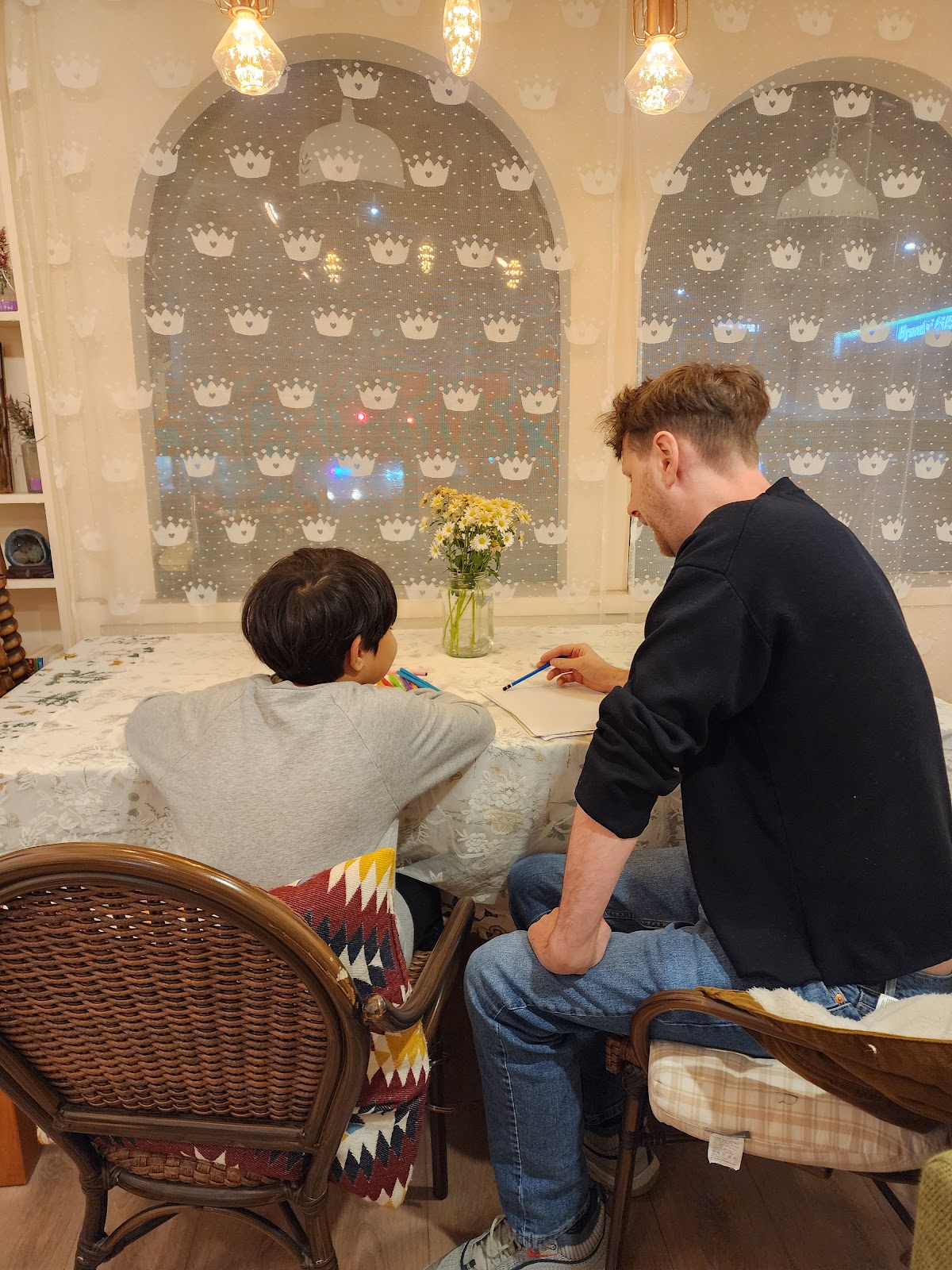
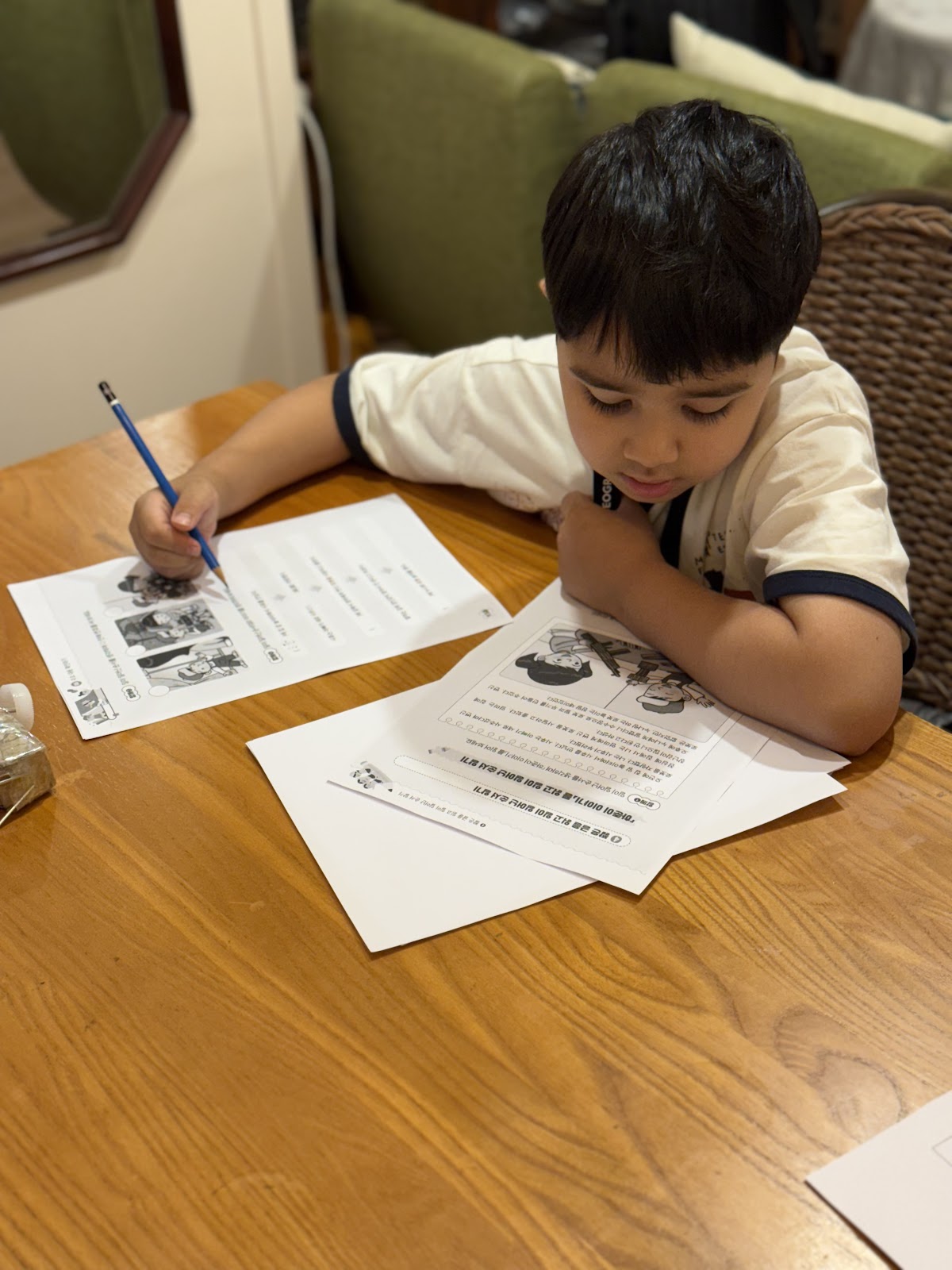
We address these challenges by providing inclusive education for both adults and children. Our programs focus on Korean language learning to support daily communication and integration so that a trip to the market, a parent-teacher meeting, or a job application no longer feels impossible.
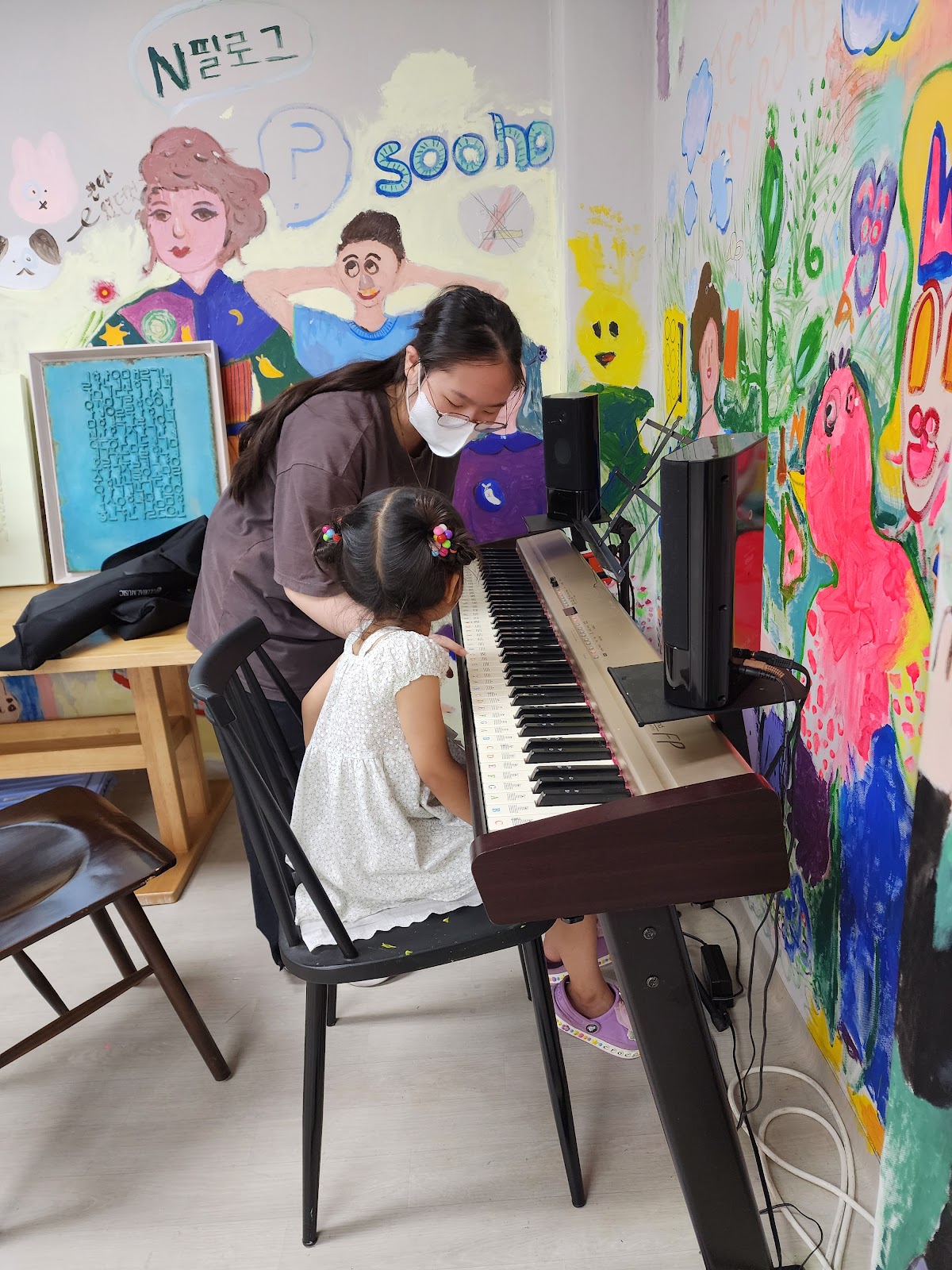
We also offer English instruction and music programs, such as piano lessons, for refugee children. Through education that combines academic learning and creative expression, we help refugees build confidence, skills, and pathways toward long-term growth.
Every class begins with a relationship. Teachers and volunteers show up week after week, not just to teach, but to be present to the person sitting across from them. Learning, in the Amigo model, is always an act of friendship first.
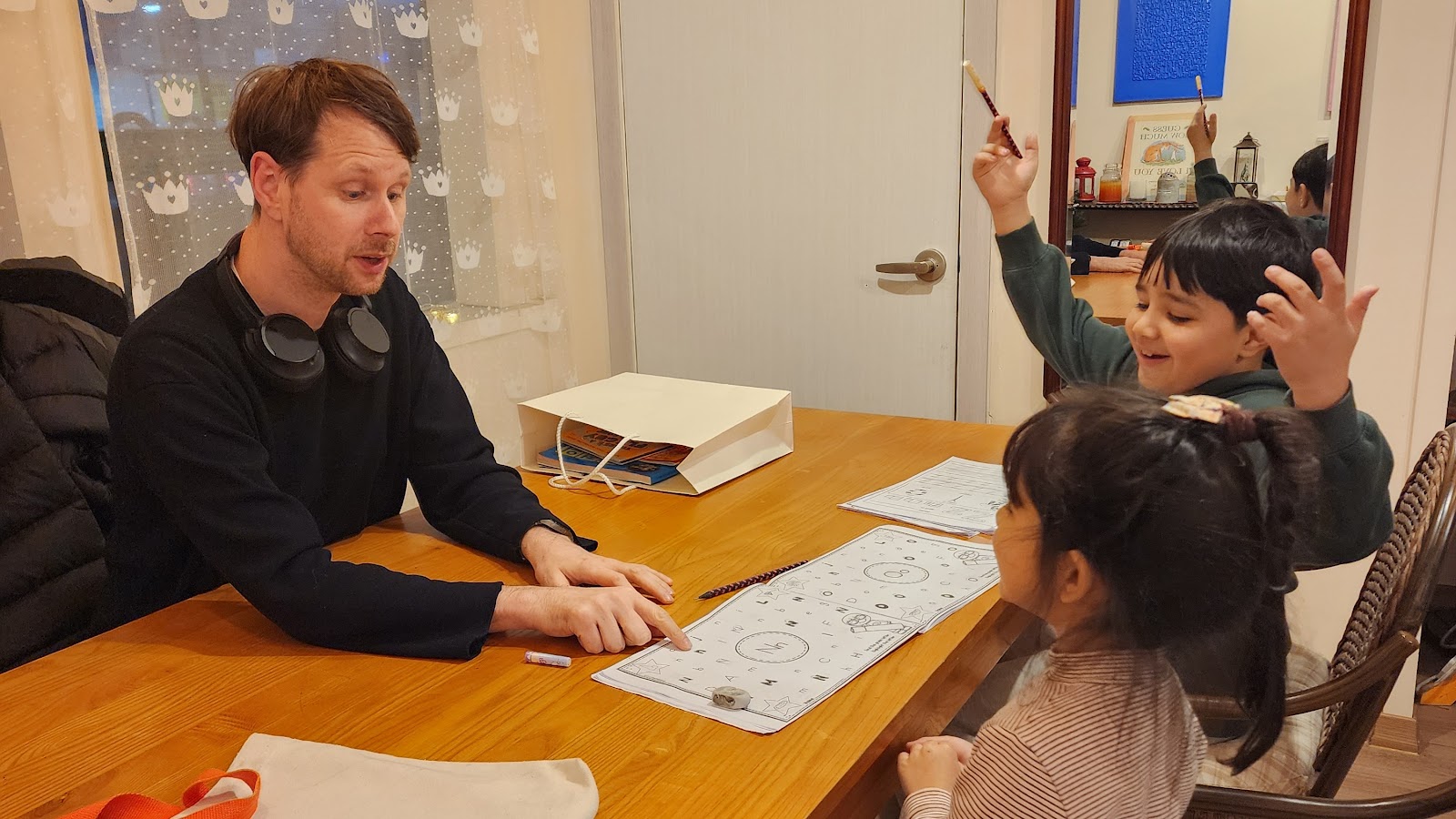
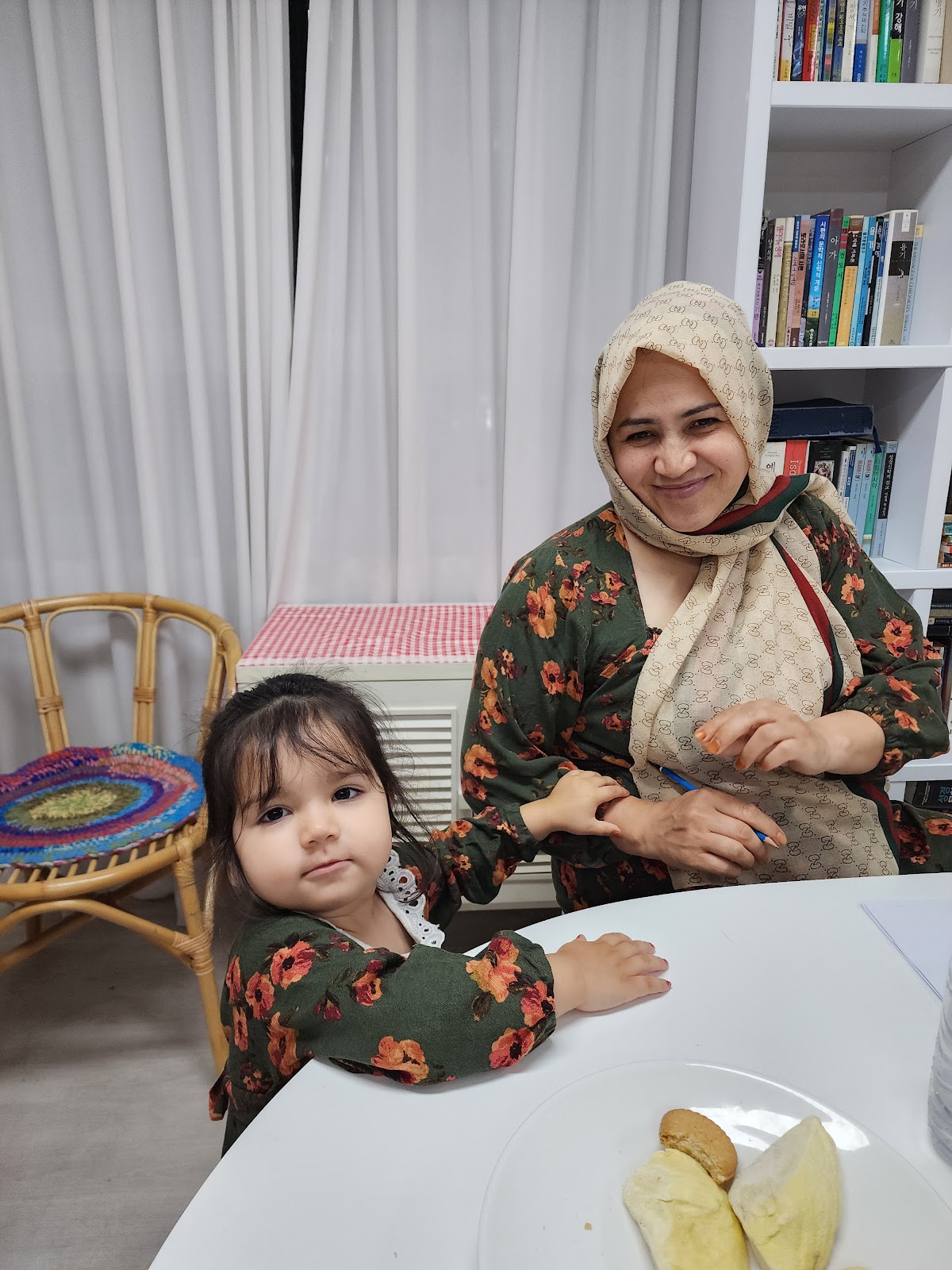
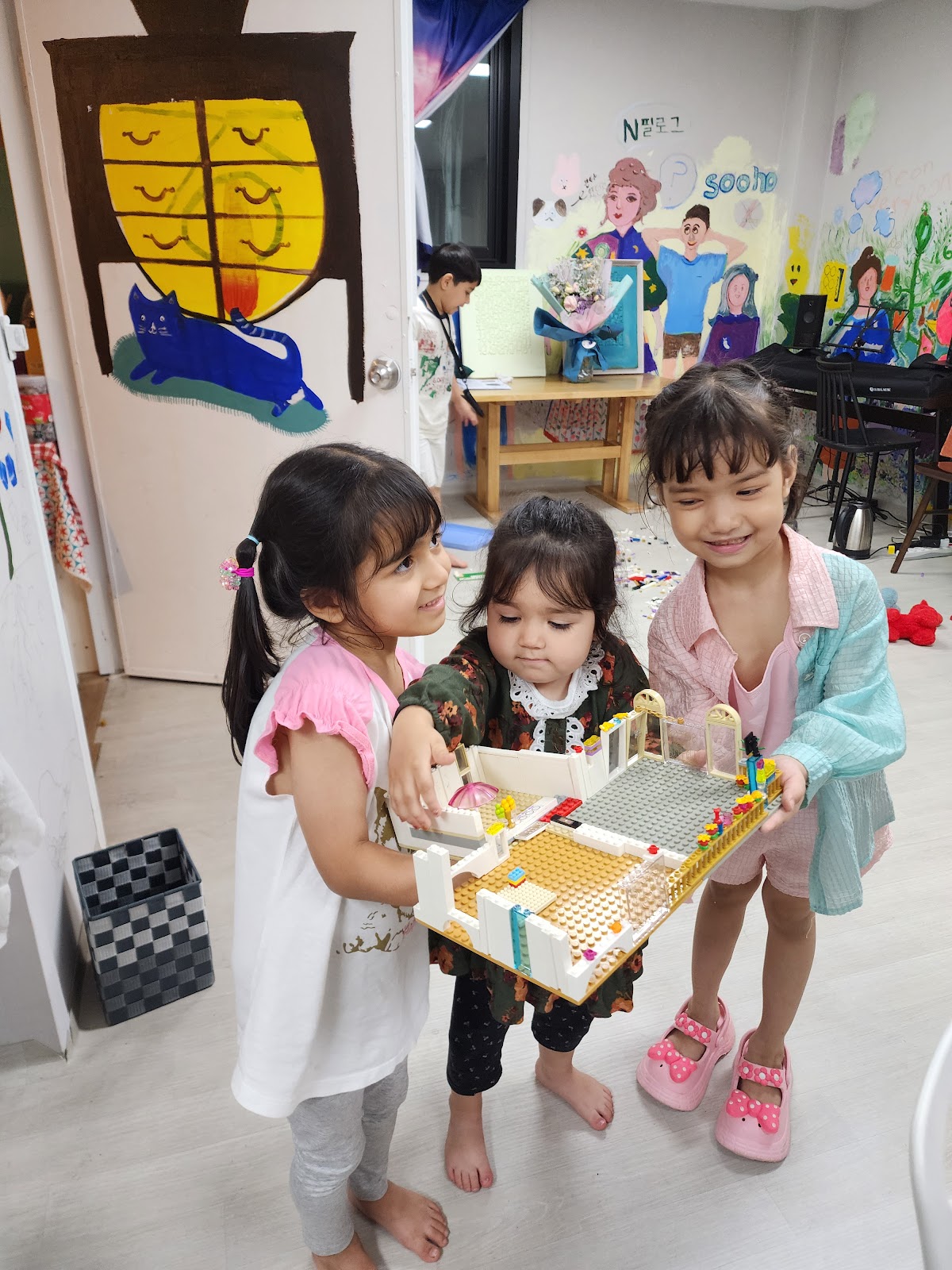
"The hardest days for me are the days when I have to stay home from morning until night. My daughter wants to go out, to learn, to be with others, but instead she is stuck at home and becomes frustrated. Then she cries, becomes stubborn, and I also feel overwhelmed. Those long days of staying inside are some of the hardest moments in our life here."
Nuria, a refugee mother from Afghanistan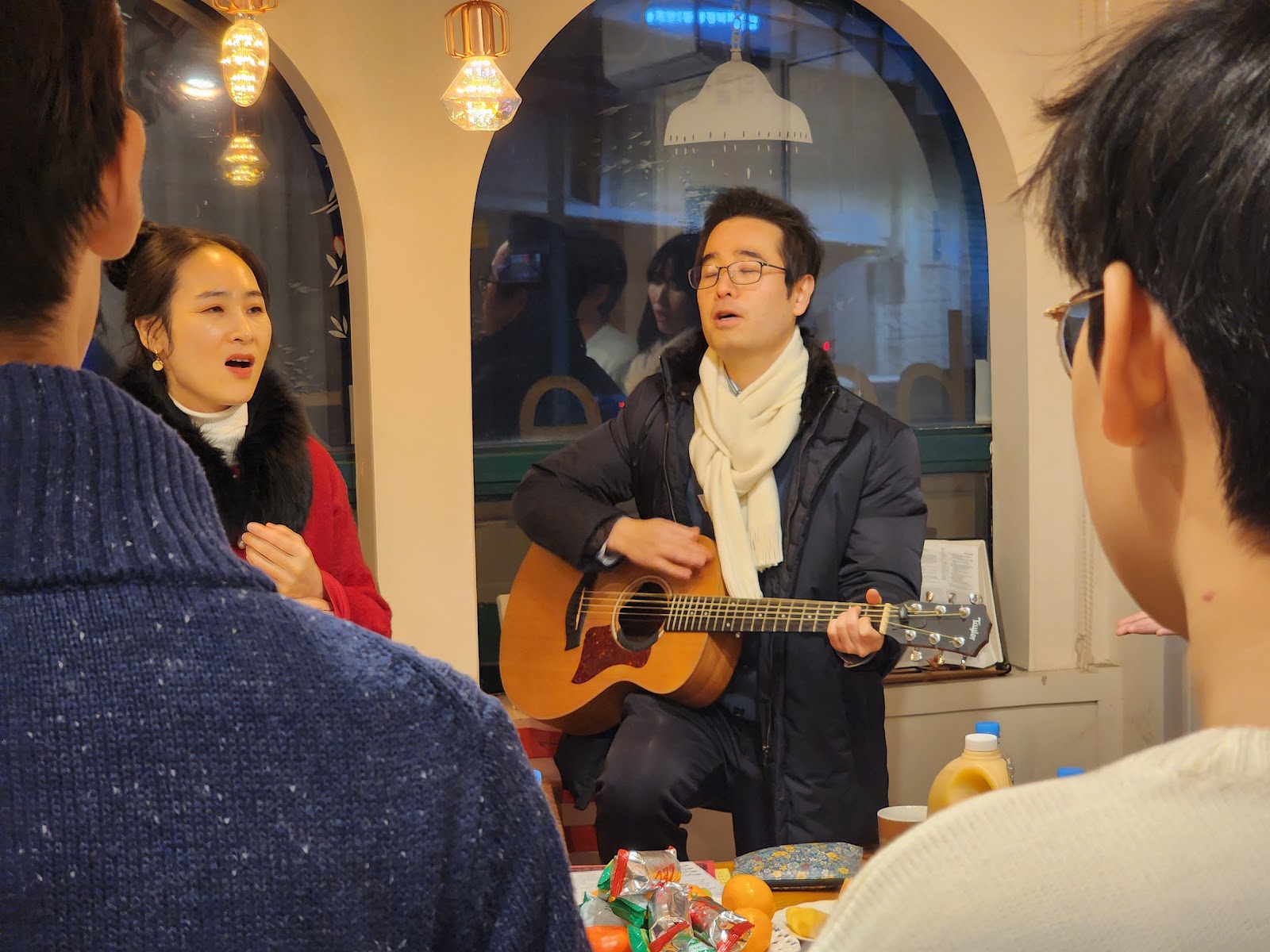
Many refugees and socially isolated individuals experience loneliness and a lack of meaningful social connection in their daily lives. Cultural differences, language barriers, and limited opportunities for interaction often make it difficult to build relationships with local communities.
Without welcoming spaces to gather and connect, isolation can deepen over time, affecting emotional well-being, mental health, and a person's sense that they truly have a place in the world around them.
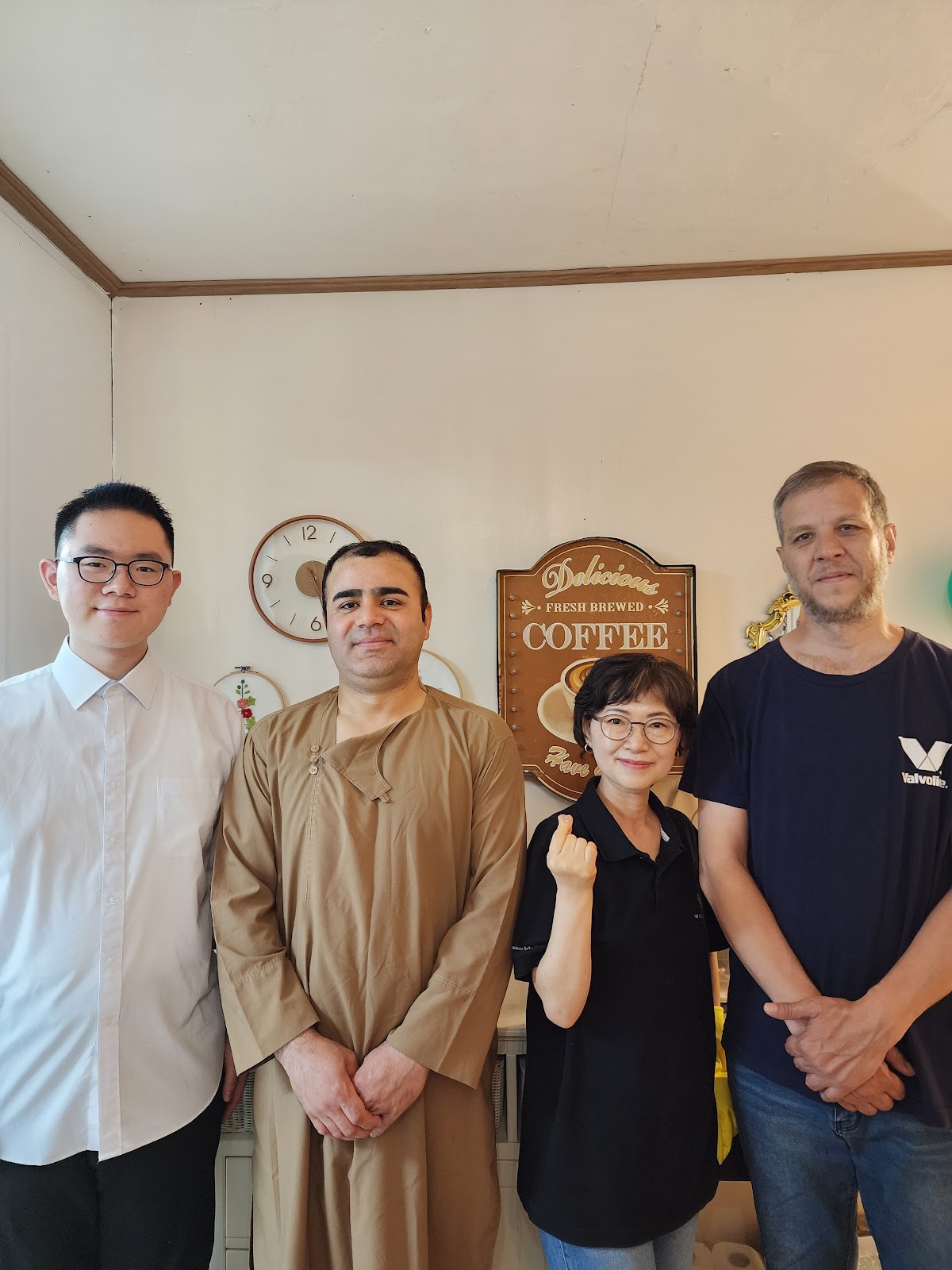
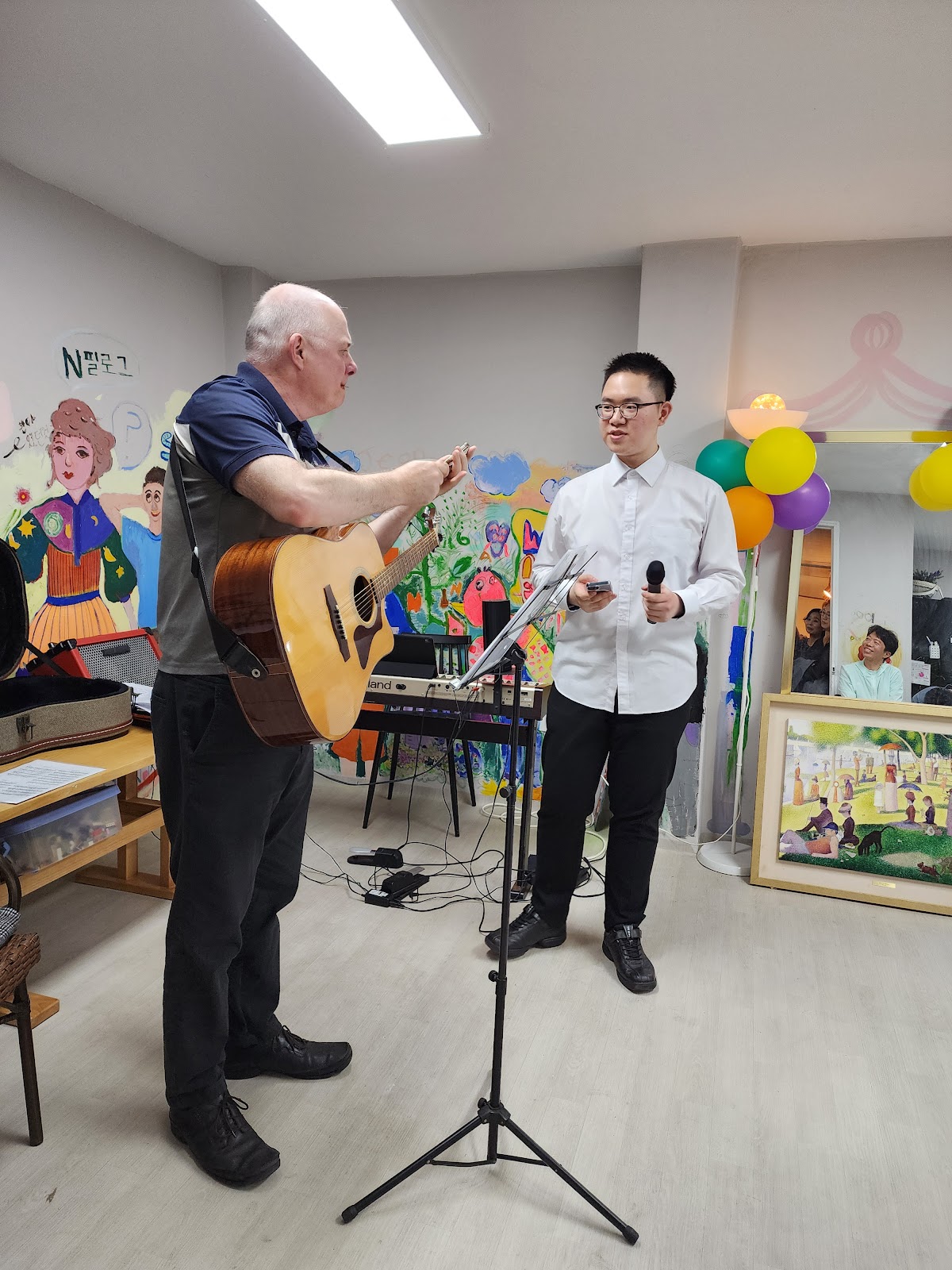
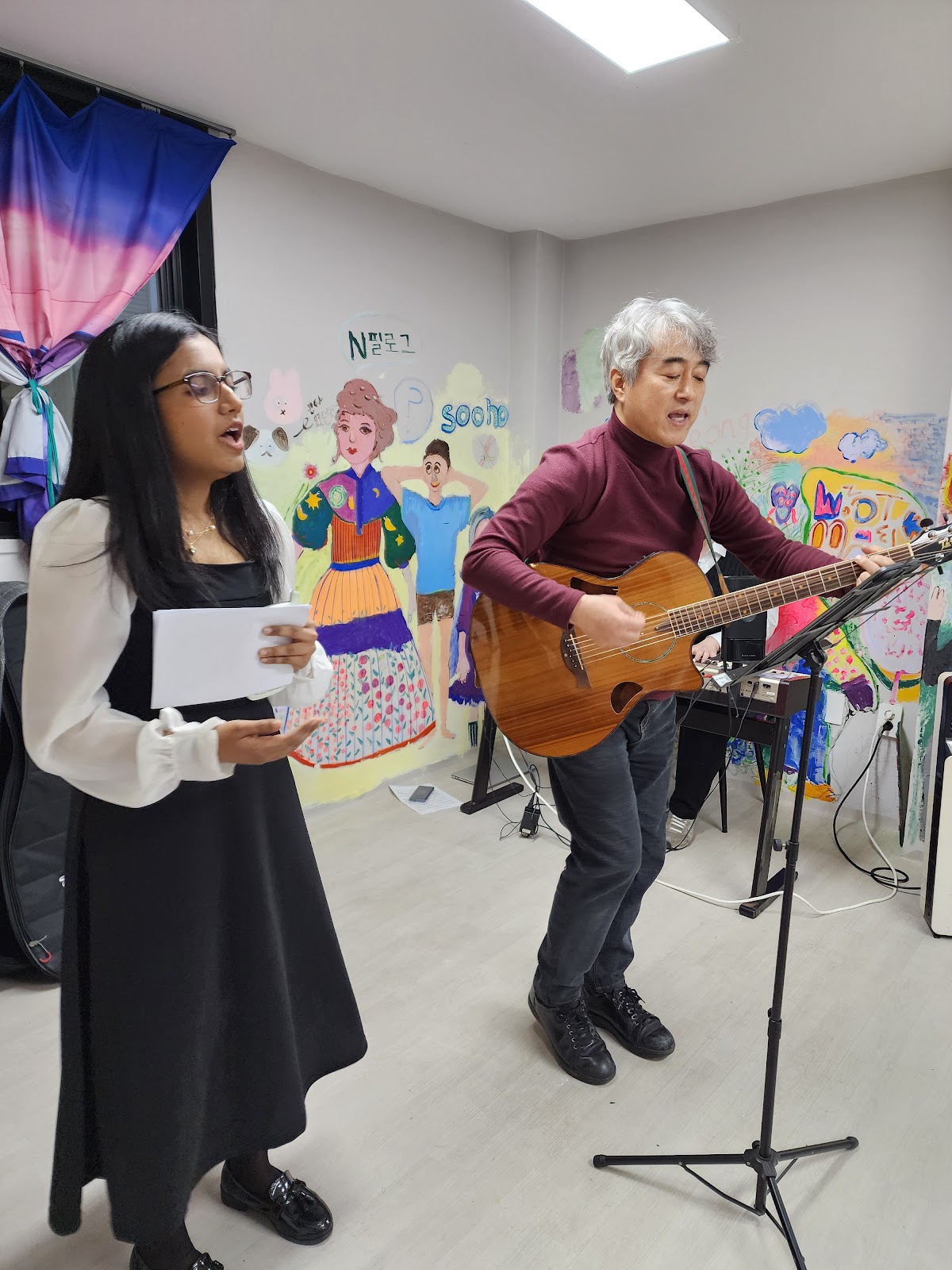
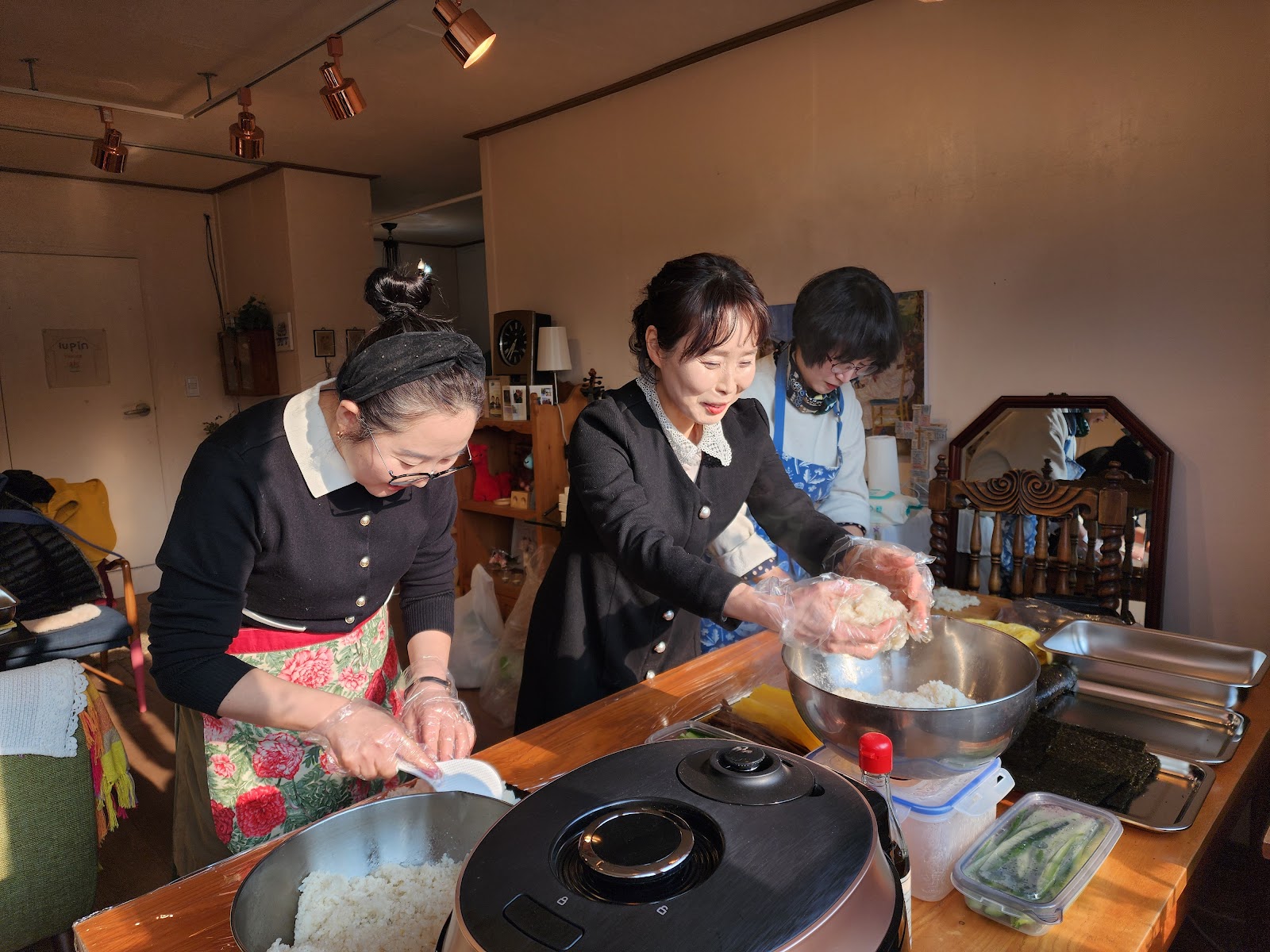
We create spaces where people can connect naturally through music, shared meals, and community. Each quarter, we host small concerts that invite refugees and socially marginalized individuals to gather, share food, and experience comfort and connection through music.
These gatherings create opportunities for simple greetings, meaningful conversations, and relationship-building, allowing refugees to engage with and feel welcome in the local Korean community. What begins as a concert becomes a friendship. What begins as a shared meal becomes a network of trust.
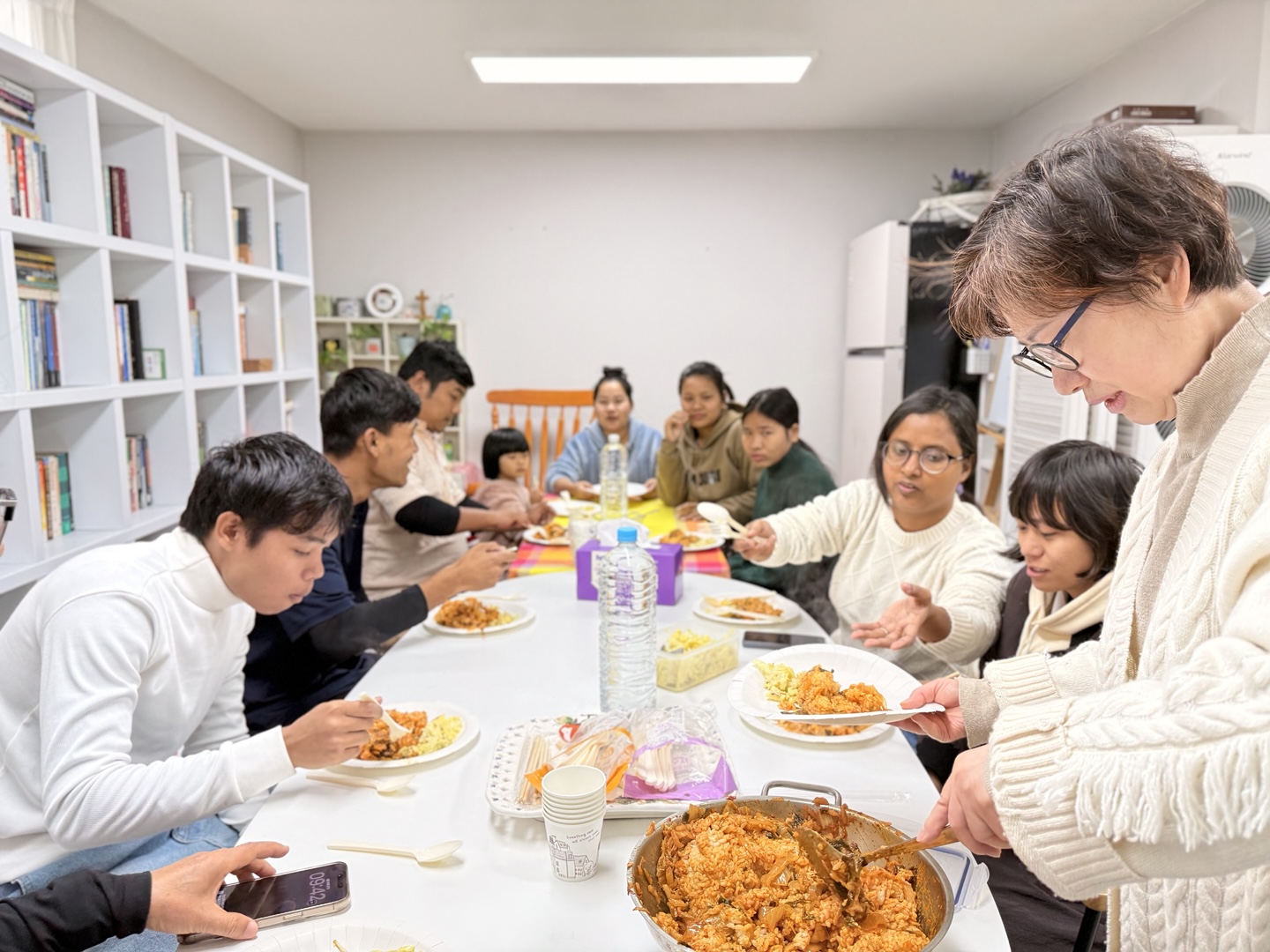
In addition, we operate a retreat space called Forest Small House in Pohang, where we regularly host community retreats that bring together refugees, local residents, and North Korean defectors. By spending time together through shared meals, conversations, and communal activities, participants gain a deeper understanding of one another's cultures and life stories. These retreats foster trust, mutual respect, and lasting relationships, helping to restore a sense of belonging and community.
"We do not have health insurance, and that makes everything harder. If my child gets sick, even one hospital visit becomes a serious burden for our family. With this visa, it is also difficult to work properly. When you cannot access care, cannot work freely, and do not know how to move through the system, even basic things in life become overwhelming."
Nuria, a refugee mother from AfghanistanMany refugees in South Korea face significant barriers in accessing administrative and institutional support. Even when public assistance and welfare programs exist, information is often unclear, difficult to navigate, or unavailable in accessible languages.
As a result, many refugees remain unaware of the support they are eligible for, while others face complex procedures that make it challenging to apply on their own. These systemic barriers often leave refugees without essential resources needed for stability and integration, not because help does not exist, but because the path to it is too difficult to walk alone.
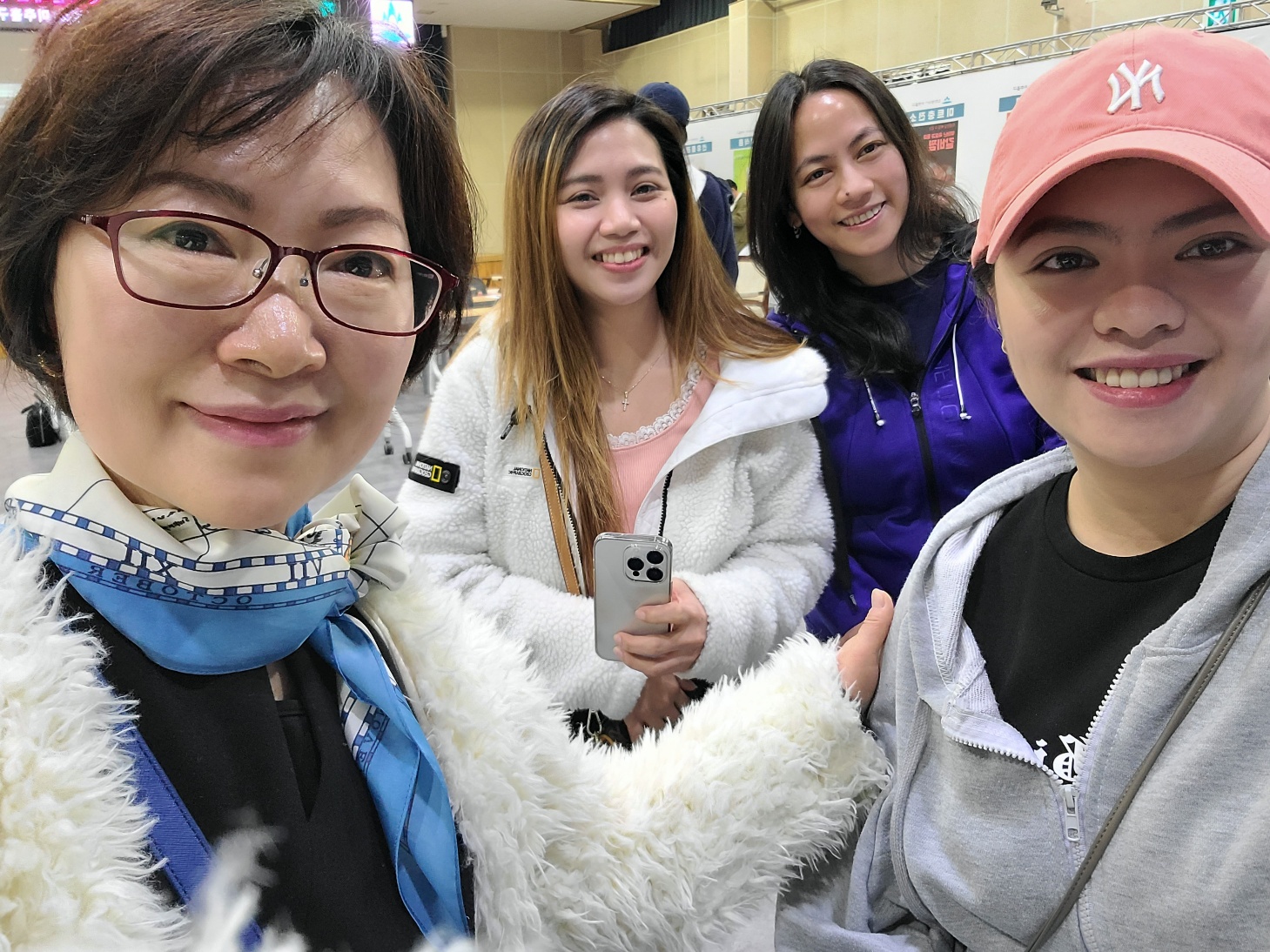
We help refugees access public and administrative support by guiding them through available government policies and welfare systems. Our team provides clear explanations of relevant programs, assists with application processes, and accompanies refugees to administrative offices and welfare centers when needed.
The work is patient and unglamorous. It means sitting in waiting rooms together. It means translating not just language but bureaucratic logic into human terms. It means calling the right office, returning when things fall through, and never giving up because the system is complicated.
By walking alongside refugees through each step, we help ensure that no one is excluded from essential support simply due to language barriers, lack of information, or complex administrative procedures. Advocacy, at Amigo, is friendship applied to systems.
We work alongside North Korean defectors and refugees in South Korea, providing practical support to help them access education, public services, and community as they build new lives.
"What I want most is for my children to study well and keep learning. I want them to go to class, to continue their education, and to have the chance to learn things like math and English. But for us, giving our children those opportunities is very difficult, and that is one of the heaviest burdens I carry as a mother."
"The hardest days for me are the days when I have to stay home from morning until night. My daughter wants to go out, to learn, to be with others, but instead she is stuck at home and becomes frustrated. Then she cries, becomes stubborn, and I also feel overwhelmed. Those long days of staying inside are some of the hardest moments in our life here."
"We do not have health insurance, and that makes everything harder. If my child gets sick, even one hospital visit becomes a serious burden for our family. With this visa, it is also difficult to work properly. When you cannot access care, cannot work freely, and do not know how to move through the system, even basic things in life become overwhelming."
 Korea
Korea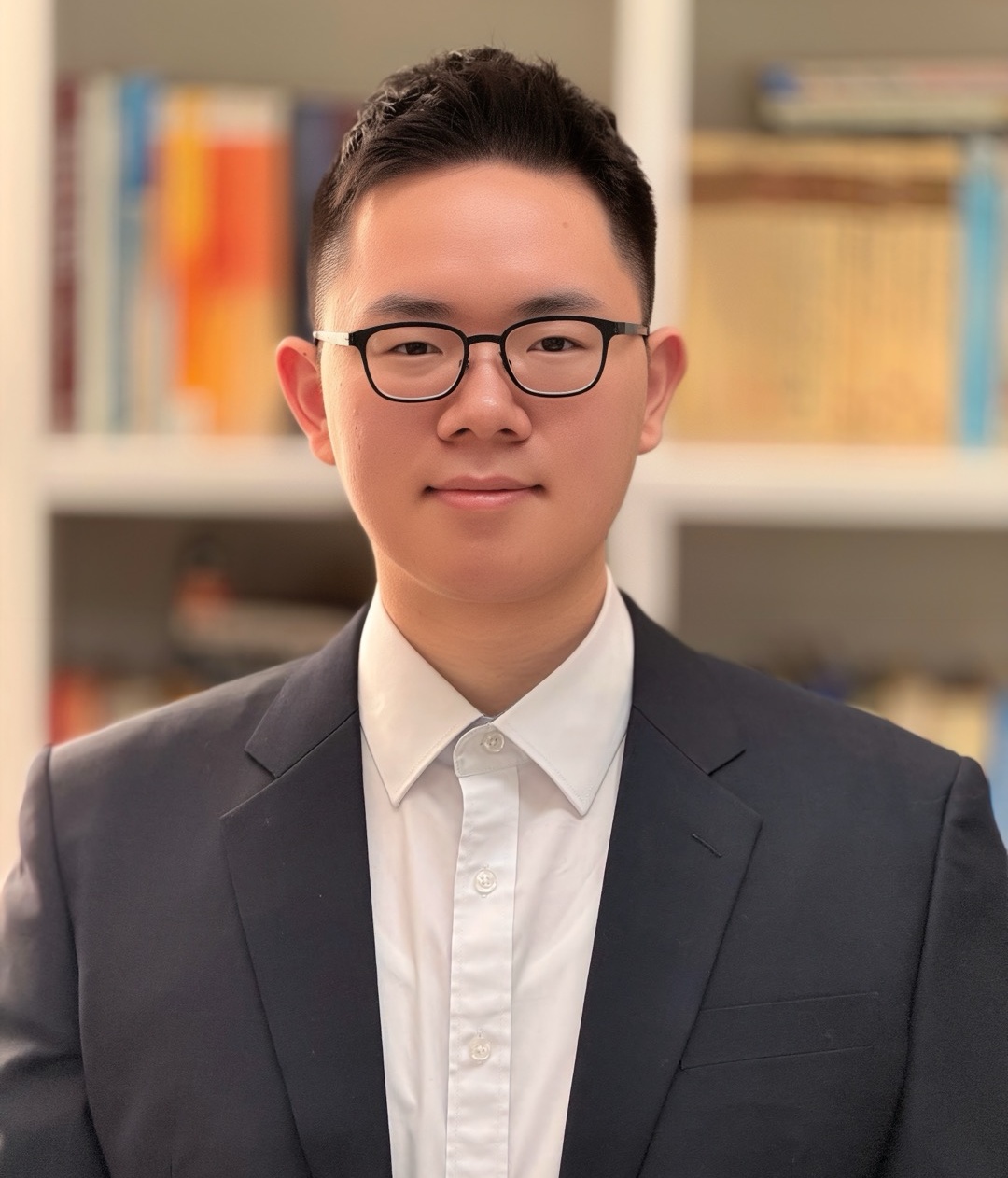 Korea
Korea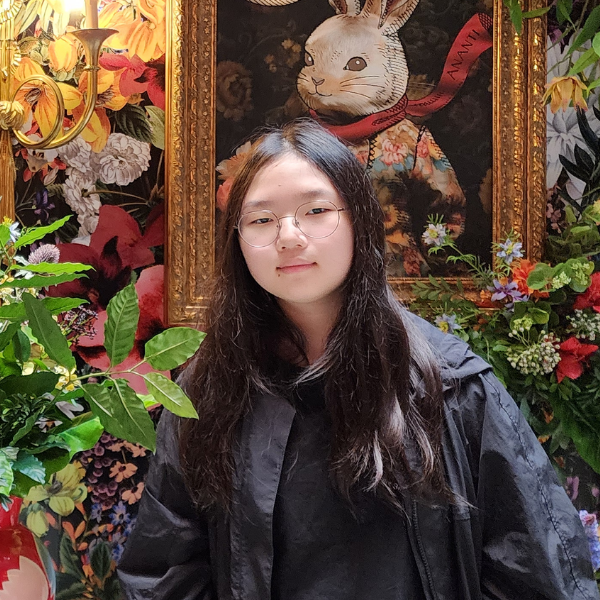 Korea
Korea
 Canada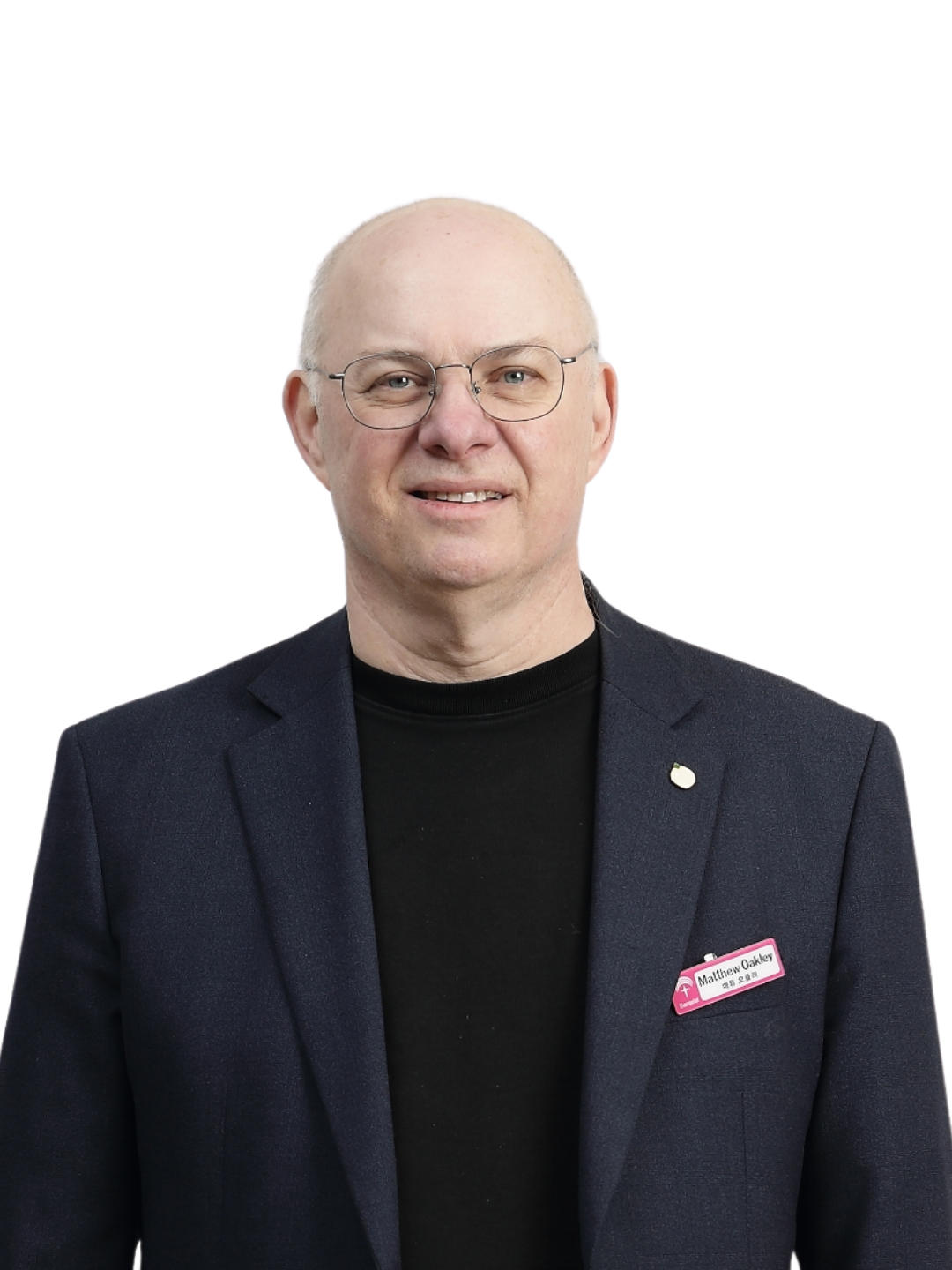
 United Kingdom
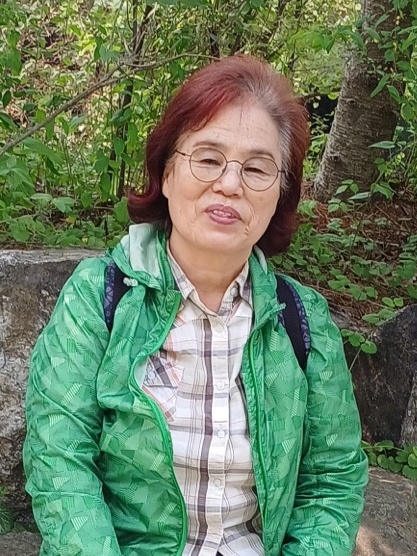 Korea
Korea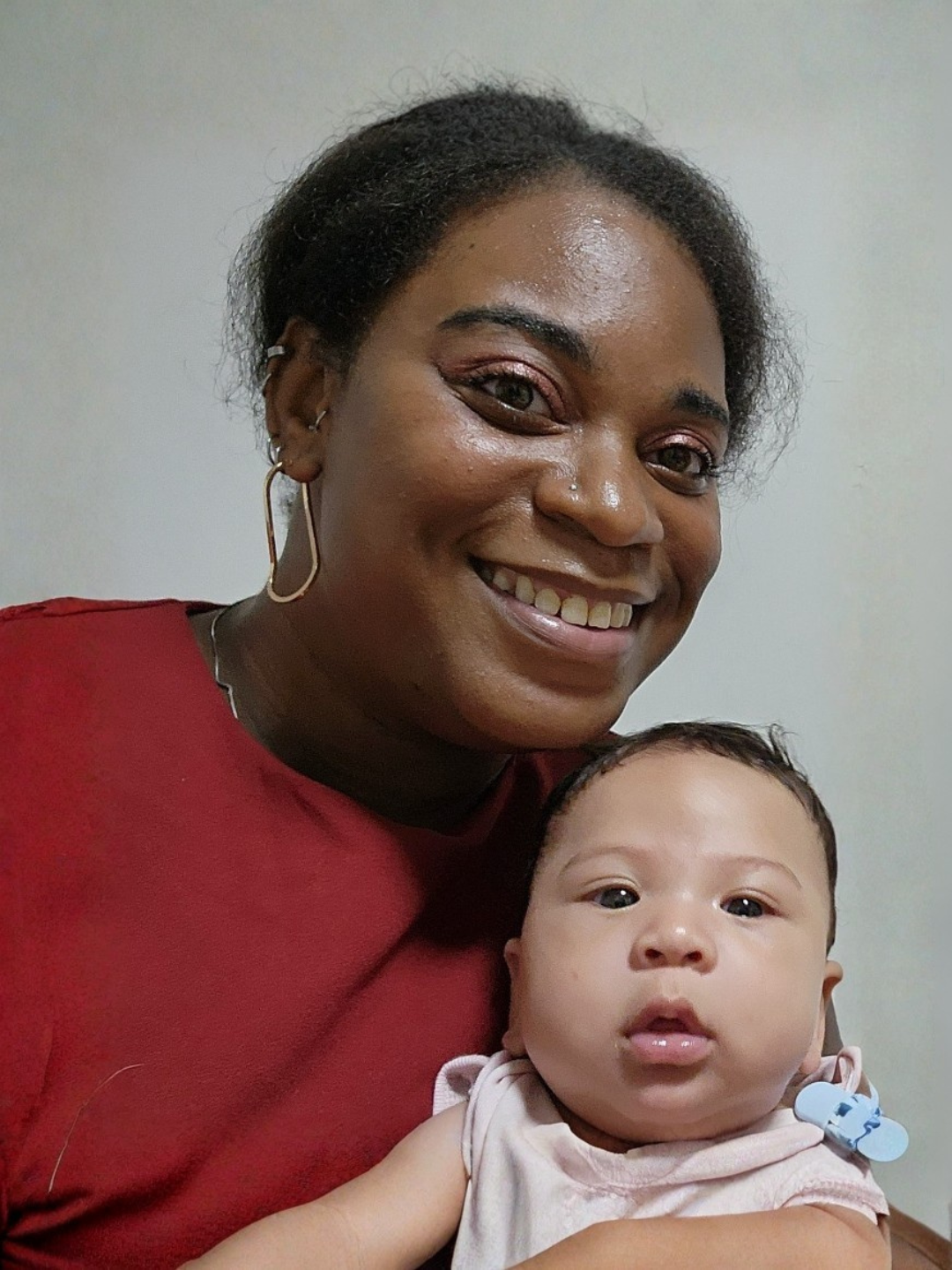
 United States
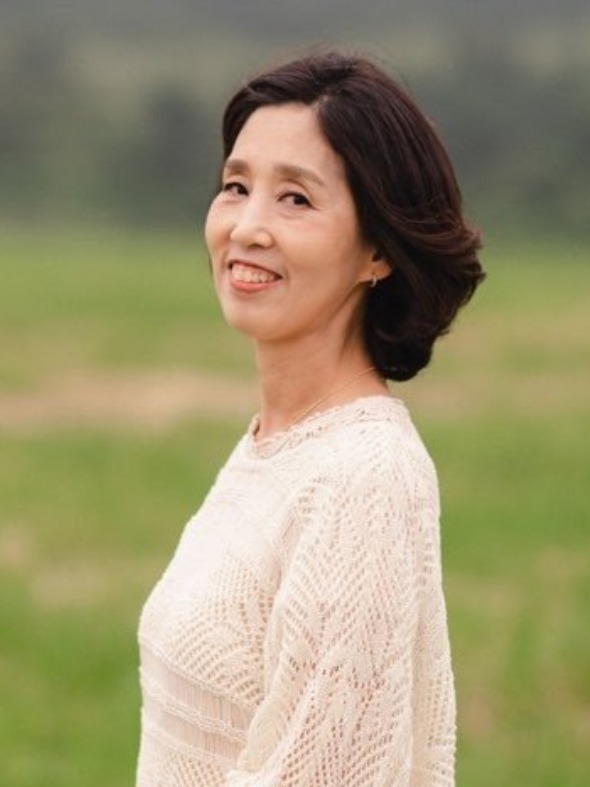 Korea
Korea
Use this featured section to highlight the next event visitors should know about. It works well for a dinner, retreat, fundraiser, prayer night, or volunteer gathering.
Add the date, location, RSVP details, and a short invitation here so the most important event stays visible at the top of the blog page.
caption
Browse photos and stories from Hannah's years of ministry in the UK through International Cafe, Visa Course, Weekend Away retreats, Singing Class, Sunday Bible Class, and everyday moments, alongside the continuing story of Amigo ministry in South Korea.
No items found in this category yet. We are currently updating the archive.
Embedded document